Books for kids, teens, & those who are young at heart

Category: Writing (Page 42 of 73)

Don’t Judge Your Characters with Linda Budzinski Author of The Funeral Singer

Today’s guest and I go all the way back to my very first SCBWI Poconos writing retreat in 2009, so I am super happy to have Linda Budzinski, author of THE FUNERAL SINGER, on the blog today. Her words about not judging characters apply not only to writing but also to life. Welcome, Linda!

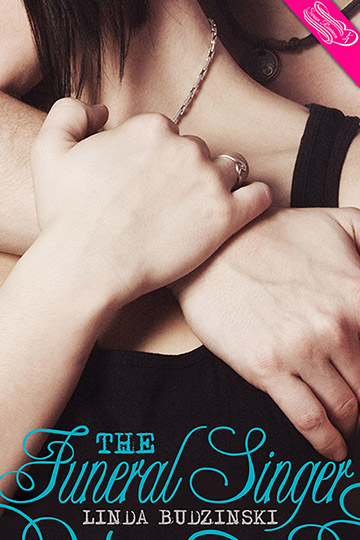
Funeral-Singer-Budzinski-flipped-smallerYou Can’t Judge a Character by Her Role

It’s a lesson I keep learning over and over again: Don’t be too quick to judge people. Or maybe I should say, it’s a lesson the universe keeps trying to teach me, since I continue to fall into the same trap.

We’ve all been there, haven’t we? Maybe it’s the guy in the next cubicle at work. Maybe it’s the grouchy neighbor. Maybe it’s your kids’ lacrosse coach. They act like a jerk, so you proclaim them a Jerk.

Until one day you find out this Jerk has a child with a severe disability, or he spends every weekend traveling hundreds of miles to visit an elderly parent who can’t even remember his name, or she’s in the middle of a nasty divorce. That’s when you realize that maybe he or she wasn’t always a Jerk. Maybe he or she deserves some patience, some grace, some understanding right now.

The same is true with our characters. When I set out to write THE FUNERAL SINGER, I wanted to write a novel about the difference between pop culture heroes and real-life heroes. My rock star characters would be shallow, selfish Jerks, while my real-life hero (a funeral director) would be a loving, caring, charitable gentleman.

Only they’re not. At least, not entirely. Most of the rock stars turned out to be pretty decent people, and the funeral director is far from flawless.

Even my main character, who throughout the course of the book goes from being a normal teen-ager to a pop culture hero to an everyday hero, isn’t all good or all bad along the way. She’s sweet and sensitive and infuriatingly self-centered, all at once. Because in real life, that’s how people are. People are both good and bad. And no matter what their station in life, everyone has problems. They may keep their problems well hidden, but they have them.

When we set out to create characters, we need to know their roles in our books. That is, we need to know whether they are protagonists (the main characters, who want something) or antagonists (the characters who stand in their way), but we do not need to proclaim them good or evil, angels or devils, sweethearts or jerks. Because chances are, they will be all of the above. And they will have problems that may never make it onto the page, but they will have them, and those problems will affect the way they behave.

And that will be what makes them interesting.

The Funeral Singer blurb:

Seventeen-year-old Melanie Martin has witnessed her share of lame eulogies and uninspired epitaphs while singing part-time at her dad’s funeral home. She’s determined to be more than a funeral singer, and more than just someone’s “beloved wife” or “loving mother.”

When Mel’s impromptu rendition of “Amazing Grace” at a local rock star’s graveside service goes viral on YouTube, she becomes an Internet sensation, attracting thousands of fans and followers, and even a hot rock star boyfriend–Zed Logan, bass player for The Grime.
But instant fame isn’t easy–and neither is love. Especially when Mel realizes she’s falling for another guy–one who may just want her heart more than her voice.

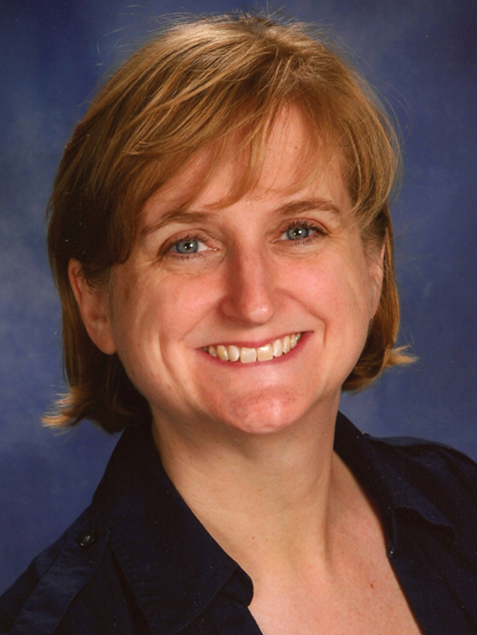
linda_headshot_edited_smallAbout the Author:

Linda Budzinski lives in Northern Virginia with her husband, Joe, and their feisty chihuahua, Demitria (also known as Dee Dee, The Puppy, and Killer). She grew up in a tiny town called West Grove, in southeastern Pennsylvania. In the second grade, she announced to her parents that she wanted to be a “Paperback Writer,” just like in the Beatles song. She majored in journalism in college and now works in nonprofit marketing and communications.

She’s a sucker for romance and reality TV and has been known to turn off her phone’s ringer when watching “The Bachelor.” Her favorite flower is the daisy, her favorite food is chocolate, and her favorite song is “Amazing Grace.”

LINKS:

Website: www.lindabudzinski.com

Twitter: https://twitter.com/LindaBudz

Facebook: https://www.facebook.com/pages/Linda-Budzinski-Author/188747034633426

YouTube Trailer: https://www.youtube.com/watch?v=1gs0PX1fEdg

Amazon: http://www.amazon.com/The-Funeral-Singer-ebook/dp/B00FDWYBRS/

Barnes & Noble: http://www.barnesandnoble.com/w/the-funeral-singer-linda-budzinski/1116970019?ean=2940148424031

Attic Office Space Update With Pictures

I recently posted about how I’m getting a new writing room in the soon-to-be finished attic. Of course, the whole space won’t be entirely devoted to my writing pursuits. It will also serve as a playroom, a room for others to pursue their creative talents, and a workout room. I only posted one picture and several of you asked for updates with more pictures, so here we go!

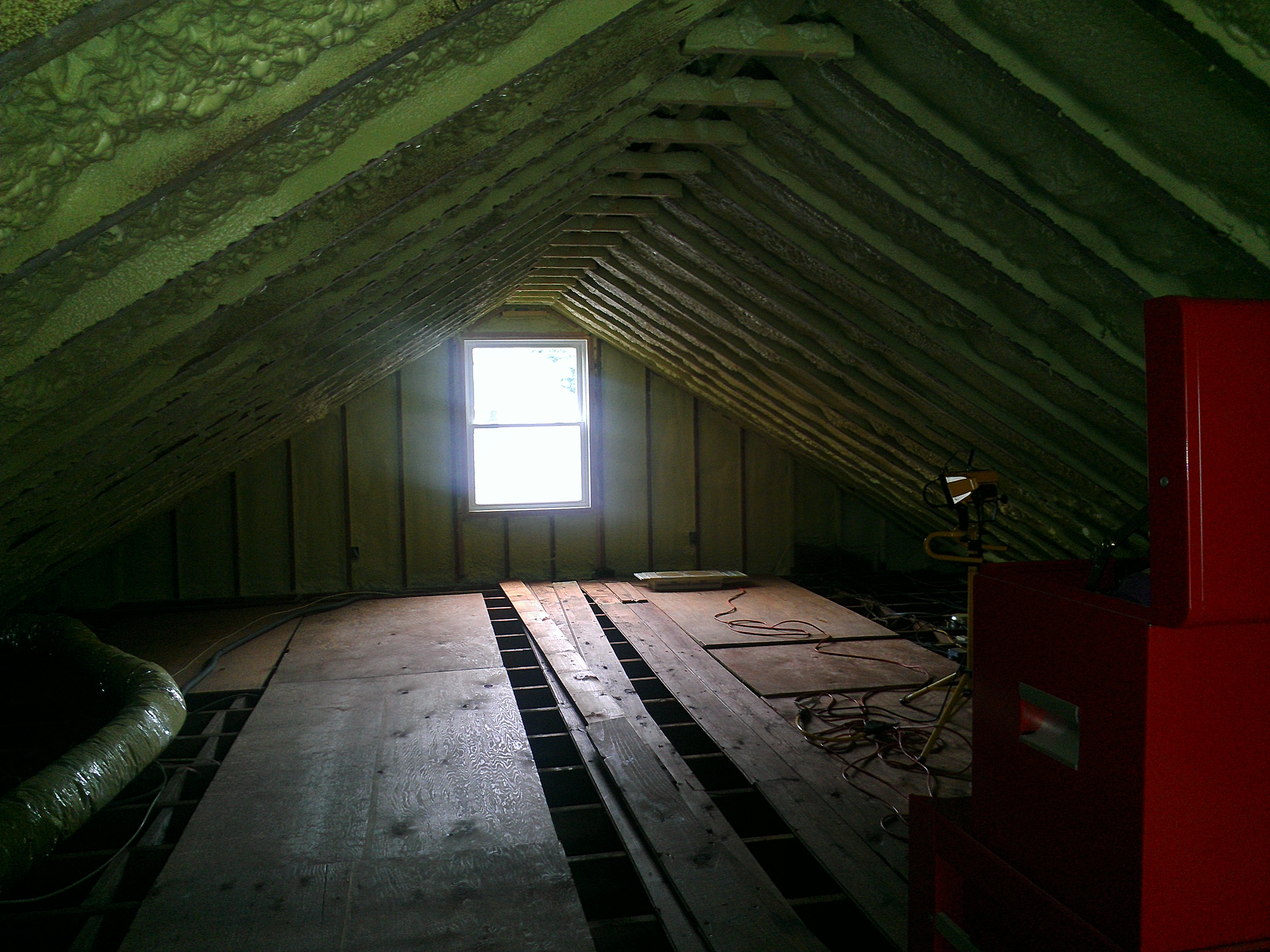
Mostly empty attic. The green in the ceiling is spray foam insulation and you can see old duct work and the loose boards that served as a floor.

August 2013: Mostly empty attic. The green in the ceiling is spray foam insulation and you can see uncovered duct work and the loose boards that served as a floor.


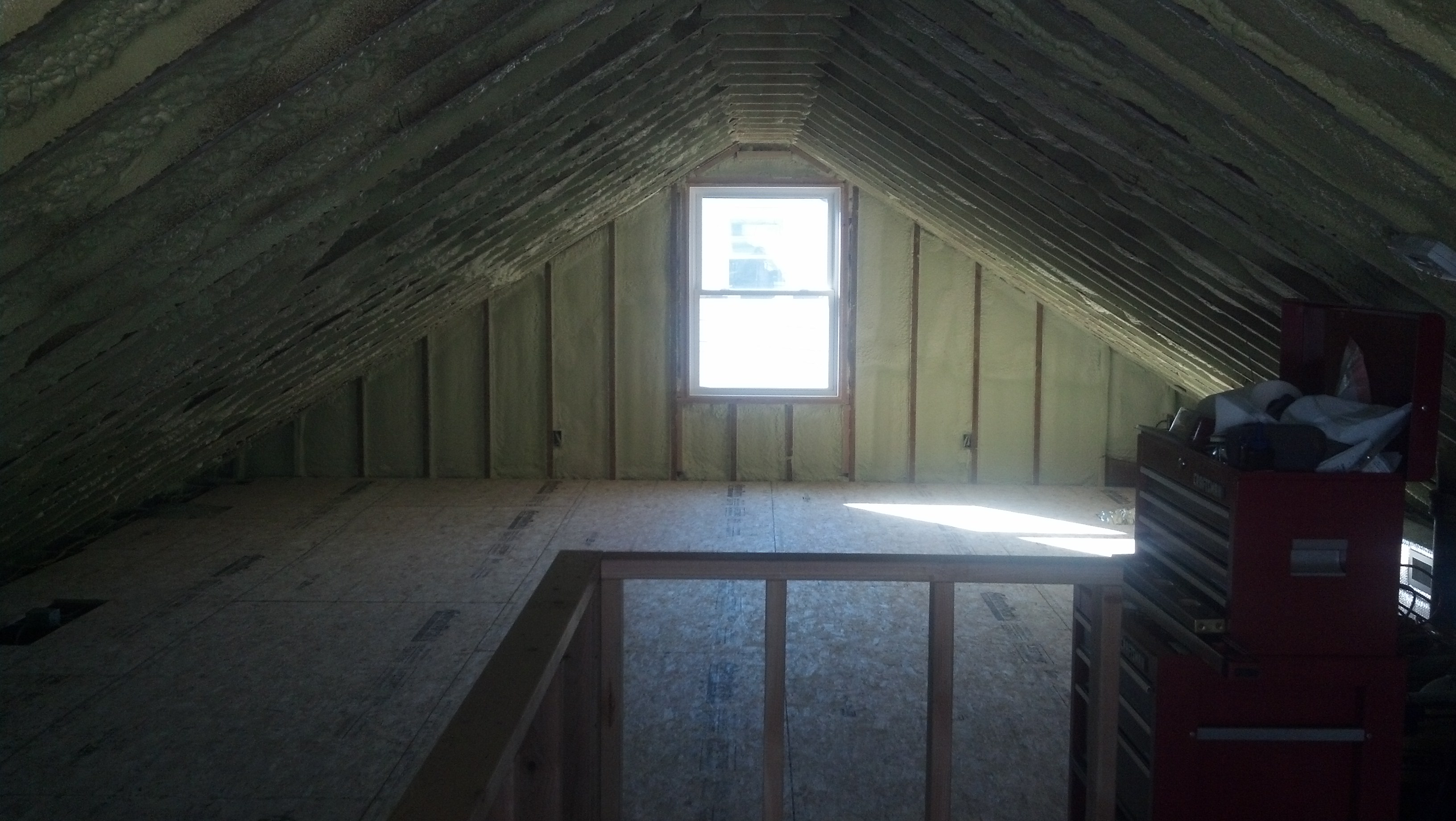
Similar view...now with subfloor, duct work hidden, and a half wall framed out around the staircase.

April 2014: Similar view as above…now with subfloor finished, duct work hidden, and a half wall framed out around the staircase.


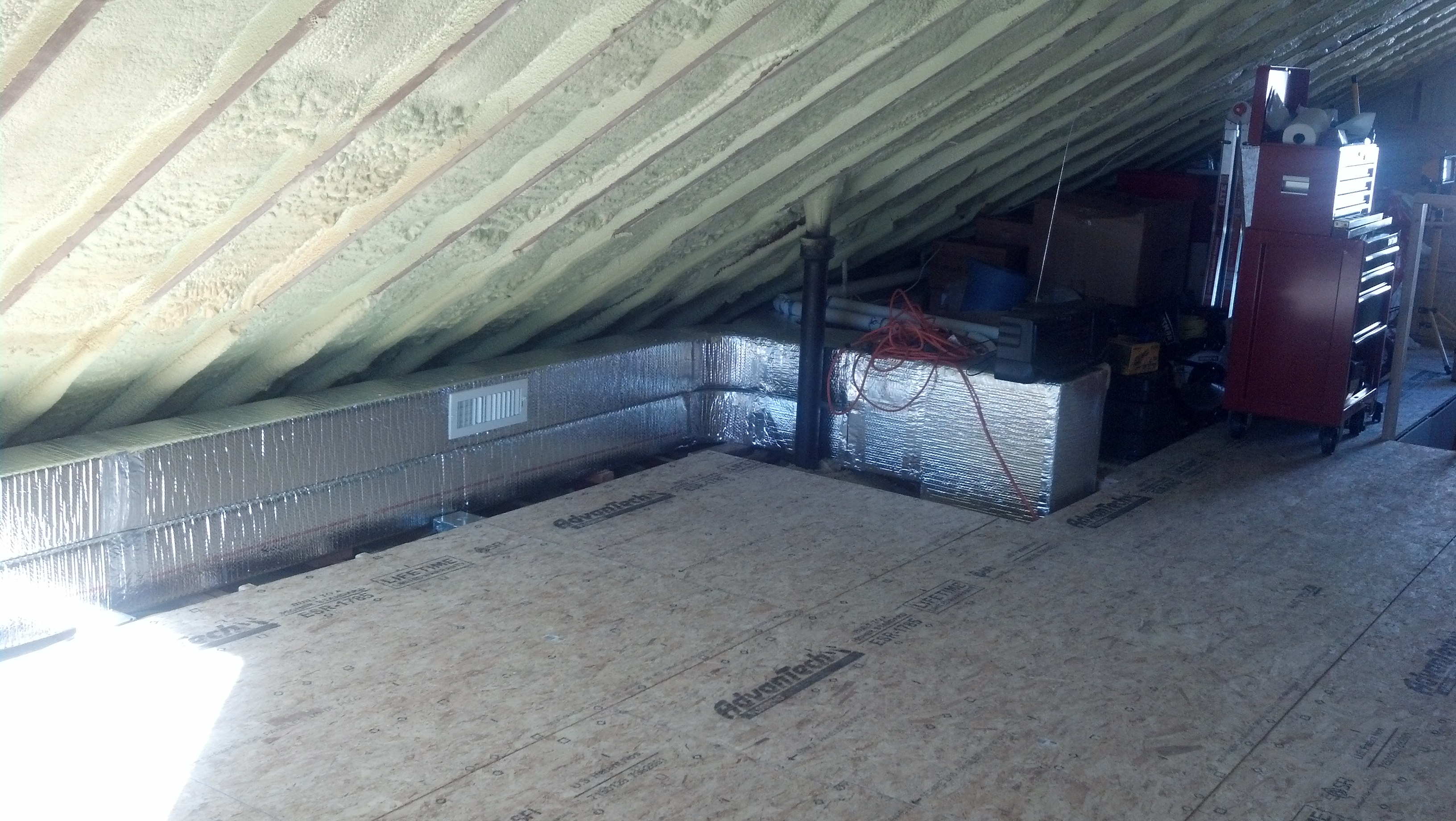
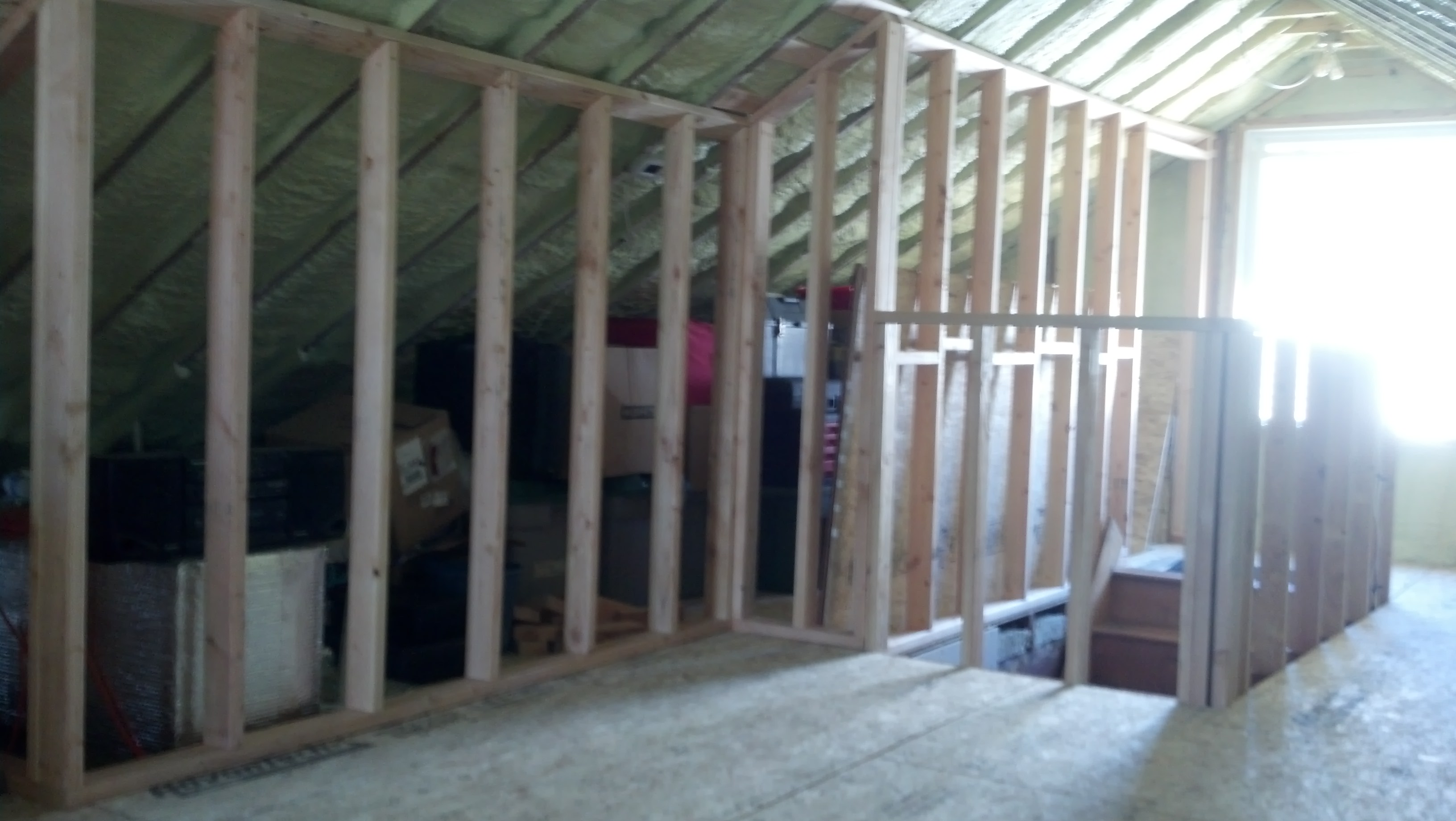
April 2014: Good look at the duct work, which will be hidden behind a knee wall. Where those boxes and the toolbox is will be a closet.

April 2014: Good look at the duct work, which will be hidden behind a knee wall. The spot with the toolbox and boxes and stuff will be a closet space.


IMG_20140412_122908_568

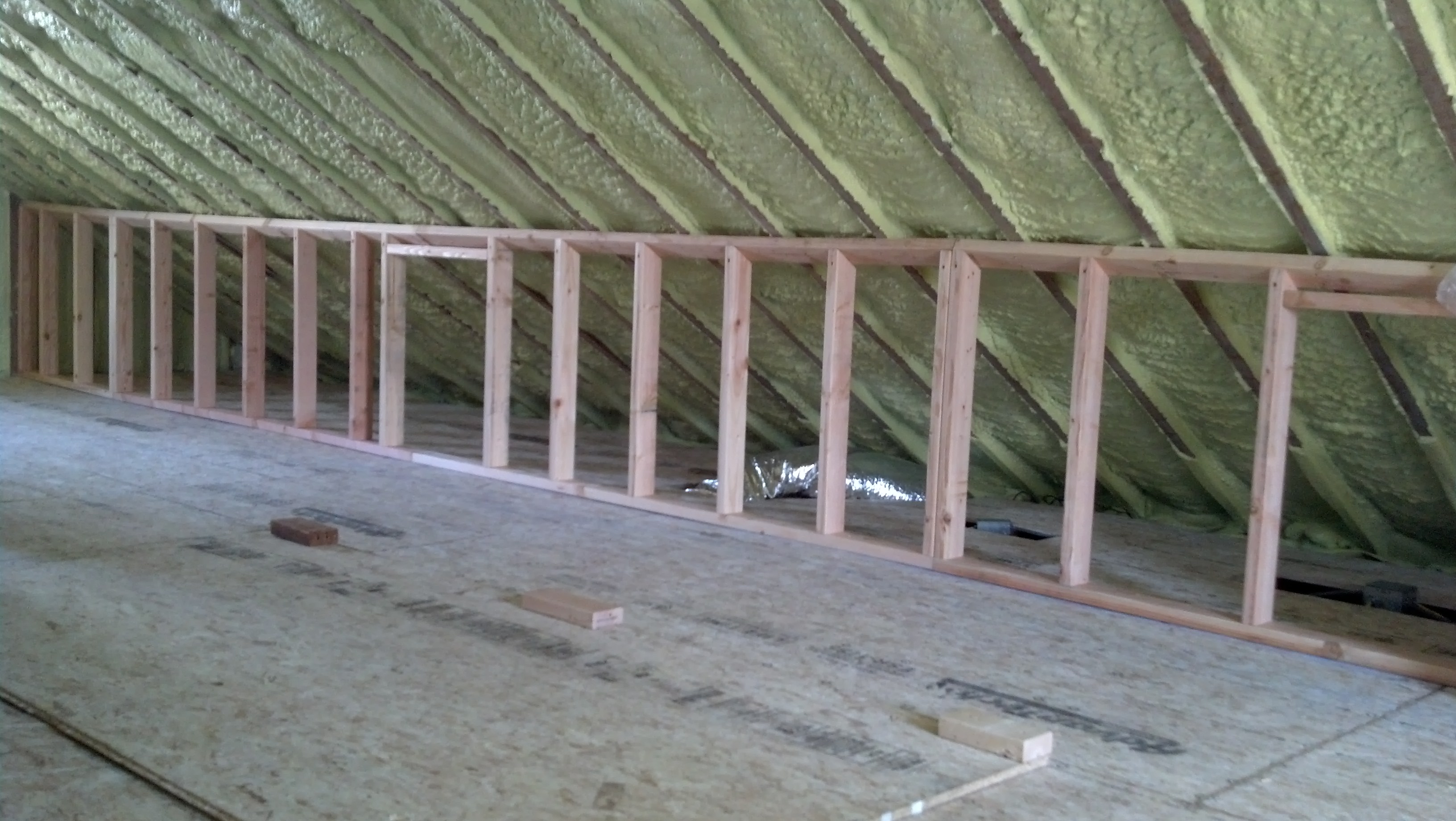
More from April 2014: Pic with the framed knee wall.


IMG_20140419_124528_221

April 2014: Framed wall and closet wall with stairway in view.


IMG_20140517_074507_643

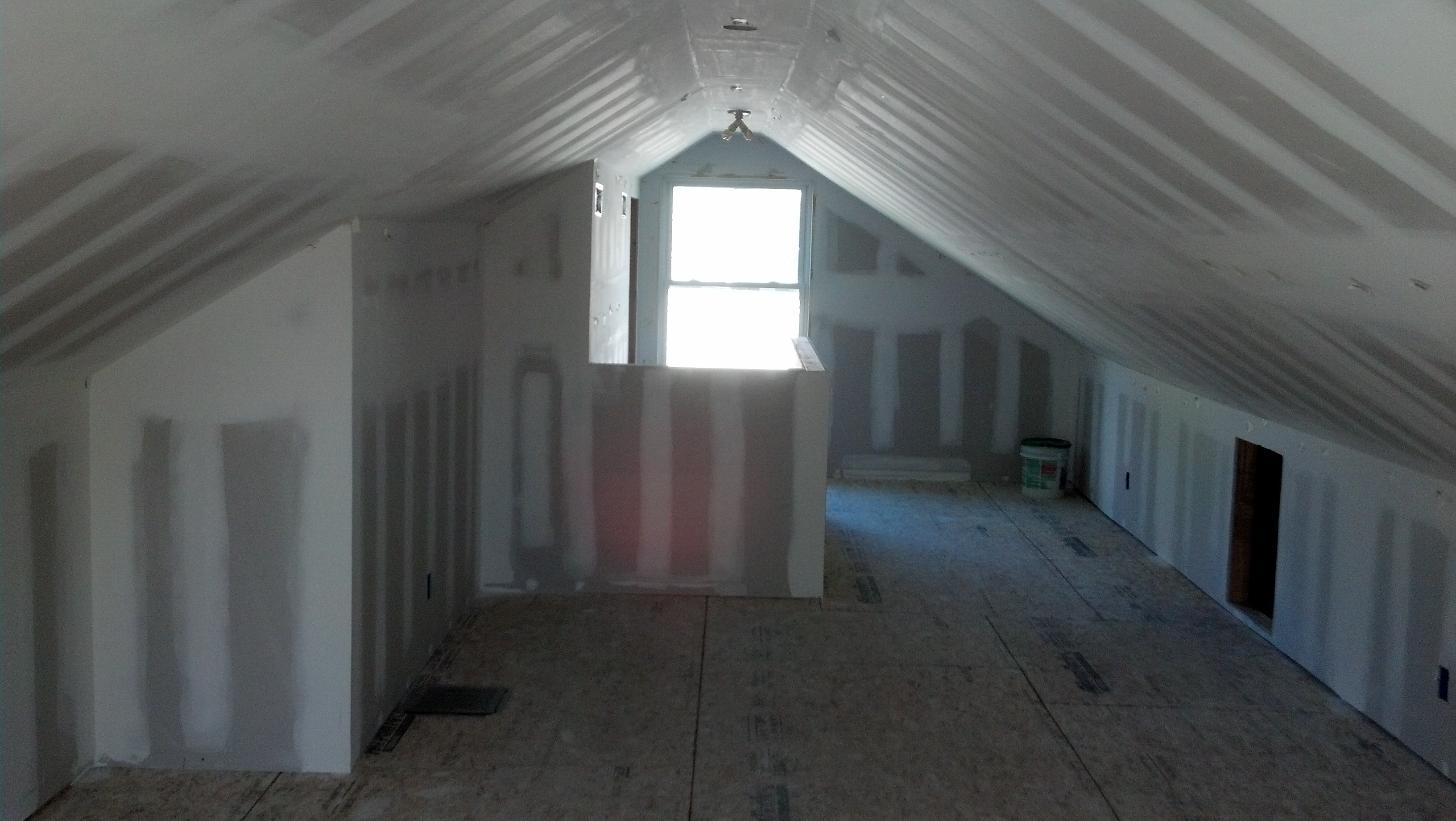
May 2014: Drywall up and ready to be painted soon, view from the top of the stairway.


IMG_20140517_074531_586

May 2014: Drywall up, view from the other end of the room, looking toward the stairway.

That means painting comes next, and we already have the colors picked and the paint purchased. There was also a lot of behind the scenes work that you don’t see in the picture, like electrical and stuff. I can’t take credit for any of the work, though! The hubby has done a lot of it himself and we contracted some of it out, given the time constraint we’re under. What do you all think of the progress?

Overcoming Fears with Kai Strand Author of Worth the Effort: Ella’s Story

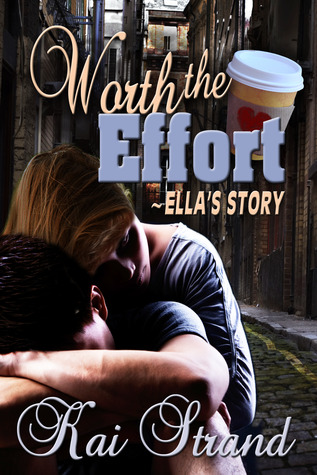
I’m very pleased to welcome back Kai Strand, who is celebrating the release of her YA contemporary novella Worth the Effort: Ella’s Story (see my 5-star Goodreads review here). She is discussing a topic near and dear to every writer: overcoming fears! Kai is also offering up a nice giveaway, so make sure to enter at the end of the post. 

21879525Overcoming Your Fears 

By Kai Strand

In my newly released novella, Worth the Effort: Ella’s Story, Ella has to face a fear she wasn’t even aware of prior to meeting Ayden.

Ella is a senior in high school. She has a part-time job as a barista at a café downtown. She prefers to work the opening shift – you know, to get work over with for the day. For the two years she has worked at Read Between the Beans, she’s never once felt vulnerable until the morning she bops up to the backdoor of the restaurant and finds someone sleeping in the shadows next to the dumpster.

But realizing how vulnerable she is, all alone at four in the morning, isn’t even what scares her the most. It’s the fact that the homeless person sleeping in her alley is a seventeen-year-old boy. Ella hadn’t realized there were homeless kids, nor did she realize how terrified she was of them.

Just like Ella has to face her fear in her story, I had to face mine to make it available for your reading pleasure.

I was always terrified of self-publishing. Over the past few years the role of indie author has exploded until it seems like everyone is doing it. But still I resisted. Because I was scared to death. Afraid I’d look like a hack. Terrified I’d make a mistake. Worried I wouldn’t sell any copies and waste all that time, effort, and money.

But the more I watched the industry evolve (not that it is finished evolving, by any means) the more I realized that I wanted my career to stretch across all publishing opportunities and that meant self-publishing. So not only did I write the story, but I studied how to self publish, asked questions of more experienced authors, learned a formatting software (well, still learning it, actually), and forced myself to keep moving forward.

There were a couple times during the process that I almost quit. I almost decided to submit the novella to a small press for consideration. If it was accepted, they could do the hard work. Even now that the book is out there, my stomach still squirms. But I remind myself that I love public speaking even though I get all squirmy-bellied before each gig, and maybe self-publishing will be like that too.

So writing and publishing Ella’s Story was an exercise in both Ella and I facing our fears. Have you faced a fear? Did you succeed? Did you have to try again? Or do you have a fear you want to face?

About Worth the Effort: Ella’s Story:

Ella Jones is a coward. There is a teen boy living in the alley behind her work and she is terrified of him.

Desperate to leave behind the stereotypical and judgmental world she was raised in, Ella forces herself to make a true connection with seventeen-year-old Ayden Worth. As their friendship grows Ayden’s quiet, gentle ways teach her true courage.

But there’s more to Ayden’s story than Ella knows. When their worlds collide in the most unexpected place, Ella feels betrayed. Will she find the courage to learn who Ayden really is, or will she determine he’s not worth the effort?

AmazonGoodreads

About the Author:

When her children were young and the electricity winked out, Kai Strand gathered her family around the fireplace and they told stories, one sentence at a time. Her boys were rather fond of the ending, “And then everybody died. The end.” Now an award winning children’s author, Kai crafts fiction for kids and teens to provide an escape hatch from their reality. With a selection of novels for young adult and middle grade readers and short stories for the younger ones, Kai entertains children of all ages, and their adults. Learn more about Kai and her books on her website, www.kaistrand.com.

a Rafflecopter giveaway

Females in YA: Part 7 Unlikable Girls

In my Internet trolling, I’ve come across so many articles recently related to females in YA or women in writing. They’ve inspired a lot of thoughts and I was going to do a quick round-up (with a few of those thoughts) today. But then I started writing about one article and came across some more related articles (as tends to happen in the wormhole of the Interweb) and it turned into enough material for an entire blog post. So I guess those other articles will have to wait until another day to have their moment on my blog.

This post in particular was inspired in part by the article “Why Talking About Girl Really Matters” on Stacked Books. The article begins with the thought that we need to talk about girls reading and ways to encourage them to read (not just focus on getting the so-called reluctant demographic of boys reading).

The part of the article that really struck me was this statement, “Girls are as complex as boys, but so often, we let girls be placed into one of two categories, based entirely on our preferences: likable or unlikable.These aren’t critiques of story nor are they critiques of character. They are preferences. There’s nothing wrong with preferring a likable or unlikable character, but there is something wrong when that becomes the means through which we critique a story and thus the way that we then present those stories to readers — especially to girl readers who may identify as unlikable or as likable vis a vis those books.”

I can look to my own character Katora in my YA fantasy Elixir Bound. In reader reviews, she has been called self-centered, couldn’t quite be liked by the reader, whiny, selfish, a bit of a pill, stubborn, and a control freak. Yikes! Based on those comments alone, I’d probably make some pretty harsh judgments on Katora.

Yet one reviewer said Katora was her favorite character because she was strong-willed and the novel benefited from Katora’s personality, another adored her, and a third was enchanted by her. She is also described as driven, hard working, likable, a great heroine, having a side of her that really cares for her siblings, self-dependent, strong, and brave. A bit of a different picture of the character of Katora.

(Please note that I appreciate all reviews written of my book, even the unfavorable ones. I’m not saying any of these reviewers are wrong—and many of them mentioned liking her even though they also used unfavorable descriptions, some of the positive and negative descriptions came from a single reviewer—just pointing out that my beloved character can be seen as unlikable by some standards.)

Given in many ways that Katora is a reflection of myself (in a weird fictional way), I could take that to mean that people see me as unlikable. Yikes again! Now what if a teenage girl saw something of herself in Katora and then read a review that described Katora as unlikable or selfish or something much worse. She might make the mistake of thinking herself unlikable or worse. Triple yikes!

I can think of many YA books in which I didn’t always “like” the female character at some point in the book (one in particular that comes to mind is Samantha in Lauren Oliver’s Before I Fall), but that didn’t mean I didn’t “like” her in general. Usually a “dislike” moment stemmed from some action she took. In the case of Samantha, she is a popular girl who doesn’t always treat people nicely, but there are many sides to her and part of her journey is learning to treat others better.

So just because Samantha had “unlikable” moments didn’t mean she wasn’t a good character lacking any redeemable qualities, and it certainly didn’t make for a bad book. In fact, Before I Fall was one of my favorite books that year and came highly recommended. Again, it comes back to the fact that so much of what is considered likable or unlikable is subjective and not necessarily a good means of evaluating a character or a book.

And if writing good characters is in part writing characters that are dynamic and realistic, then all characters should possess “unlikable” qualities. In fact, a character who is totally likable would probably be pretty boring to read and would ring untrue to life. The best characters have flaws. Maybe we need to rethink the terminology and stop pegging female characters in YA as “likable” or “unlikable” because those terms hardly encompass what a character’s (or person’s) true personality is.

What females in YA have you found to be either likable or unlikable (or both)?

For more reading on this topic, check out:

“The Girl Myth in YA (And Beyond)” on Book Riot

UNLIKABLE FEMALE CHARACTERS IN YA FICTION: A READING LIST” on Stacked Books

“Boys Will Be Boys, and Girls Will Be Accommodating” by Laurel Snyder 

“The 10 Most Annoying Teenagers From Books” on Huff Post Books, though these are not all girl characters and not all from YA books, still a worthy—and fun—read

Meet Christopher Mannino Author of School of Deaths

Today’s guest post brings you an interview with Christopher Mannino as he celebrates the release of his YA fantasy School of DeathsWelcome and happy book b-day, Christopher!

CoverSchoolofDeathsWhat inspired you to write School of Deaths?

The idea for School of Deaths emerged when I was finishing my graduate degree at Oxford University.  I spent four months abroad, far from everyone I knew.  Every week, I traveled somewhere I had never been before.  I would climb castle ruins in Wales and visit cathedrals in England.  One of my favorite trips was to Tintagel Castle in Cornwall.  I crept to the cliff face of Barras Nose, a stony peninsula jutting into the North Sea and overlooking the ruins of Tintagel, which some believe to be the birthplace of King Arthur.  It was dawn, there were no other people in sight, and I had to struggle against the wind, fighting to keep my balance so I didn’t crash into the ocean.  I imagined being buffeted by winds, alone, and what that would do to a character. That’s how I came up with the character of Suzie, alone in a world of men, buffeted by sexism.

Returning to Oxford, I envisioned Suzie alone in a strange school.  The idea of a school of trained Reapers appealed to me, giving a fantasy edge to her story.  In an early draft, the school of deaths resembled Oxford.  However a beta reader told me, very correctly, that Oxford was the inspiration for JK Rowling’s Harry Potter series.  I eventually changed the setting drastically to avoid that parallel.

What book had the most influence on you while growing up?

J.R.R. Tolkien’s Lord of the Rings trilogy was my first taste of high fantasy.  I read the series when I was eight, and by the time I was fourteen had re-read the series twice more.  I’d already been an avid reader, but something about Middle Earth appealed to me deeply, and it remains one of my favorite novels to this day.

In seventh grade, I was given a writing assignment where we had to create an original short story mimicking the style of one of our favorite authors.  Essentially, we were writing fan fiction, though none of us knew that term at the time.  My piece was a short story about the lost Entwives, and what occurred after they left Fangorn.  It was my first time writing anything creative that I enjoyed.

Years later, in Oxford, I was surrounded by Tolkien’s actual home.  Oxford was where he lived and taught, along with other writers such as CS Lewis and Philip Pullman.  I joined the Oxford Tolkien Society, and often ate at the Eagle and Child pub (where the Inklings, a group of writers including Tolkien and Lewis, would exchange ideas).  For me to start my stories there was only appropriate.

What is your favorite part of the writing process? What is your least favorite part?

I love to dream.  My favorite part of the writing process is the very beginning, when an initial idea worms its way out of my subconscious and into my thoughts.  As I work on the first draft, I enjoy seeing that idea grow, meet other ideas, and change.  At this point, the novel is like a movie playing in my mind.  Characters act and react with epic music and stunning visual effects.  I’m so excited that I want to keep coming back to the keyboard, and keep sharing my ideas.

My least favorite part is all of the things that go with writing that aren’t writing.  The long and difficult processes of finding a publisher, and now for marketing are frustrating.  The editing phase was not my favorite, but I did enjoy seeing the story improve.  With marketing and publishing the idea does not change, and the amount of time required is very high.  For people such as myself, who work full-time jobs, the time spent on elements of the writing process that do not involve writing is an annoyance.

How has your work with high school theatre influenced your writing?

I am fortunate enough to be pursuing both of my dreams.  Theatre and writing are two of my greatest passions.  One way teaching has influenced me, is through my daily work with teenagers.  I am a young adult author who interacts with actual young adults on a daily basis.  This helps me understand their needs, wants, and desires better than authors who do not work with kids.  Theatre is also highly creative.  I see the world in a slightly different way thanks to theatre, and the use this ability to create abstract visualizations when writing.

On the other hand, my job makes writing more difficult at times.  I am usually the first teacher to school and the last one to leave, because of the many theatre programs I run.  Time is not my ally, and I struggle to find time to write.  Most of my first drafts are done purely in summer vacations.

If you could have one superpower, what would it be?

Shape changing appeals to me a lot.  I’d love to take the form of a bird and soar through the sky, or dive deep under the ocean as a fish.  Shape-changing is the most fun power I can envision.  However, if I had to pick the most practical superpower, it be the ability to manipulate time.  If I could have infinite time to get things done, or perhaps travel through time, my life would be drastically different.

What is something funny/weird/exceptional about yourself that you don’t normally share with others in an interview?

Ok, I did share this in one other interview, but it’s the funniest thing I can think of.

I once saw a dinosaur fly.  It’s actually one of my earliest memories.  When I was about four, my parents brought my brother and me to a park by the Charles River in Boston (where we lived).  I was pushing and pulling on my brother’s stroller, then yelled and pointed towards the river.  “There’s a dinosaur flying!”  I shouted.  My dad smiled, rolling his eyes at his son’s already overactive imagination.  I pointed again, very insistently.  My mother turned and gasped at the brontosaurus hovering above the river.  “Told you so,” I said.  The life-size model brontosaurus was on its way to the Science Museum, and was being flown by helicopter.  It’s a sight I’ll never forget.

School of Deaths blurb:

Can a timid girl find bravery as the first female Death?

Thirteen-year-old Suzie Sarnio always believed the Grim Reaper was a fairy tale image of a skeleton with a scythe. Now, forced to enter the College of Deaths, she finds herself training to bring souls from the Living World to the Hereafter. The task is demanding enough, but as the only female in the all-male College, she quickly becomes a target. Attacked by both classmates and strangers, Suzie is alone in a world where even her teachers want her to fail.

Caught in the middle of a plot to overthrow the World of Deaths, Suzie must uncover the reason she’s been brought there: the first female Death in a million years.

Purchase School of Deaths on the MuseItUp bookstore, Amazon, or Barnes & Noble.

Mannino_shot2About the Author:

Christopher Mannino’s life is best described as an unending creative outlet. He teaches high school theatre in Greenbelt, Maryland. In addition to his daily drama classes, he runs several after-school performance/production drama groups. He spends his summers writing and singing. Mannino holds a Master of Arts in Theatre Education from Catholic University, and has studied mythology and literature both in America and at Oxford University. His work with young people helped inspire him to write young adult fantasy, although it was his love of reading that truly brought his writing to life.

For more about Christopher and his book check out his website, his blog, Goodreads, Twitter, or Facebook.

« Older posts Newer posts »

© 2026 Katie L. Carroll

Theme by Anders NorenUp ↑