Join Kai Strand, Mary Waibel, and Katie L. Carroll (that’s me!) for March #InkRipples, which is all about tropes.
Love ’em or hate ’em, tropes are an integral part of storytelling. Even if you’ve never heard the word before, you’re sure to have come across them in books, movies, or television as they are a useful and ubiquitous part of storytelling. For my intents and purposes, here is a link to a good definition of trope (though there are other meanings to the word, this is the definition I’m working with here). If you know the saying about there not being any new stories to tell, only new ways to tell them, this is largely referring tropes.
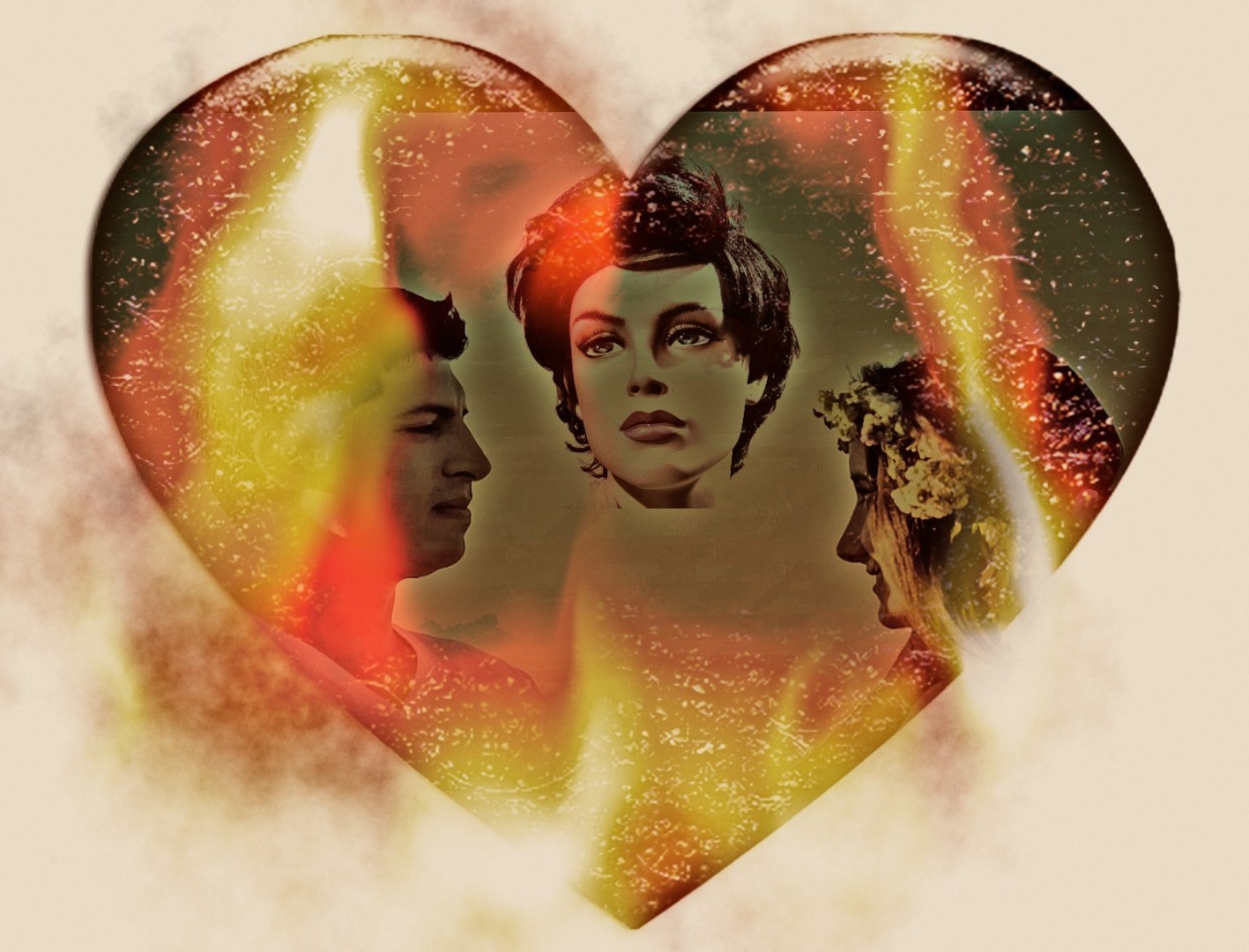 Some common ones include love triangles, the chosen one, star-crossed lovers, good vs. evil, and instalove. You can get really specific when it comes to tropes, but these are very common ones you’ll see all the time. They are definitely eye-roll inducing when they are super obvious, but I would argue that it’s almost impossible to avoid them in storytelling. There really are only so many basic stories out there to tell.
For me, it’s all about the execution. Think about Harry Potter. On a really basic level, it’s a chosen-one story, which has been done a million times before. So what about the Harry Potter books makes them so special? It’s the way they are told, it’s the characters, it’s the details, it’s the magic (both literal and figurative). All those things elevate it beyond the trope and make it unique. The Harry Potter stories are a chosen-one story, but they are a chosen-one story as only J.K. Rowling could have told it.
Which brings me to another saying we have in writing…write the story only you can tell. It doesn’t so much matter if at its surface, it’s a story we’ve all heard before, it’s about the way you tell it. And you are the only one who can tell that particular story. Tropes exist because they help inform a reader (or watcher, etc…) about what to expect in a story. Use that to subvert those expectations; or take that trope and add a unique bend to it; or embrace the tried-and-true aspects of the trope but use beautiful, lyrical language in doing so.
 #InkRipples is a monthly meme created by Katie L. Carroll, Mary Waibel, and Kai Strand. We pick a topic (March is all about tropes), drop a ripple in the inkwell (i.e. write about it on our blogs), and see where the conversation goes. We’d love to have you join in the conversation on your own blogs or on your social media page. Full details and each month’s topic can be found on my #InkRipples page.
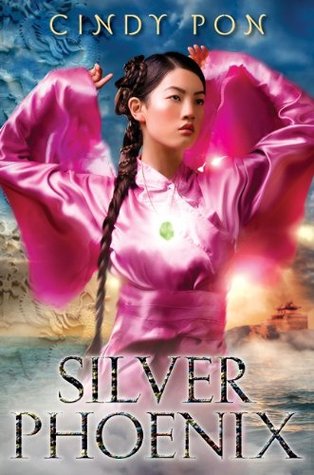 The hardcover of Cindy Pon’s YA fantasy SILVER PHOENIX immediately grabbed my attention the first time I saw it. The colors are bold and gorgeous (something about the combo of the pink and blue hit all the right aesthetics for me), and the yellow/gold color in the background makes it looks like the cover is glowing. I get a strong sense of character from the cover model and hints of the fantasy world I’m about to delve into.
 Another favorite YA fantasy cover is Melina Marchetta’s FROI OF THE EXILES. The colors are subtle, but, again, the use of color to convey light is so effective in catching my eye. The somber expression of the cover model and the sword hilt in layered in front of his face give it a dangerous feel, and the mountains at the bottom provide a sense of mystery. Looking at these two first examples, I’m noticing they both have clouds and a sunset (sunrise?) in them. Not sure what to make of that similarity, but felt worth pointing out.
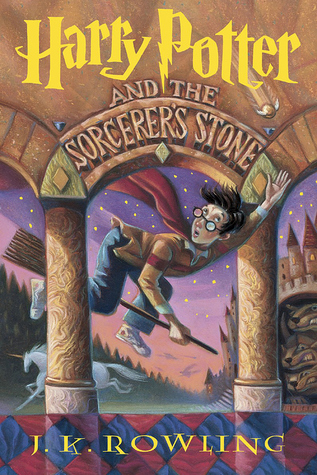 I have the Harry Potter books in the British and U.S. versions, but for me, nothing tops the covers of the U.S. hardcover editions. The illustrations of Mary GrandPré are superb. It’s hard to pick a favorite (maybe Half-Blood Prince), but the first book serves as a beautiful example of a magical middle grade cover. The movement of Harry, the sense of wonder every detail evokes, the magical elements to it, the iconic font of Harry’s name…I could go on, but let’s just say these covers are among my all-time favorites.
 So many of my favorite covers are fantasy ones, but I wanted to include something more contemporary. Nova Ren Suma’s IMAGINARY GIRLS has fantastical elements to it but is also deeply rooted in a more contemporary world. The calmness of the girl underwater creates so much drama and intrigue. Is she drowning? If she is, why is she so calm? And again, it comes back to color. The tranquil blue juxtaposed by the pop of red ribbon, and the utter paleness of the girl. Well, this cover totally made me want to read the book!
 writer’s block, or are afraid to look at our inboxes because of an influx of rejections). It’s bound to turn up in our writing.
 #InkRipples