Currently, four different book banning bills are under consideration in Congress: H.R. 7661, S. 4925, H.R. 2616, and H.R. 8705. I’m encouraging everyone who supports the right to read to contact their representatives in the House and the Senate to oppose these bills. You can use 5calls.org to contact Congress on this matter or find your Congress members’ information here.
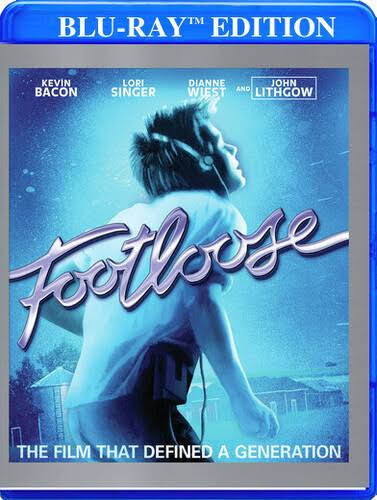
Let’s start with two similar bills, House bill H.R. 7661 and Senate bill S. 4925, also known by the misleading name of “Stop the Sexualization of Children Act.” These bills would block funding for schools that include materials with “sexually orientated material,” “gender dysphoria or transgenderism,” or “lewd or lascivious dancing.” (Anyone else getting flashbacks to Kevin Bacon dancing in Footloose?)
This bill is a book banning bill that is an attack on LGBTQ+ people and public education. It would allow the government to decide what materials are in our schools, and it would strip parents and children of their First Amendment right to choose what students read. It would also contribute to the underfunding of public education.
Students deserve to have books that enrich—not restrict—their access to the full range of knowledge and ideas that reflect the diversity of our country. Even if the Constitution allowed for this type of censorship, the vague and misleading wording of these bills show that the government has no business in deciding what our children read because they are bad at figuring out what books belong in schools.
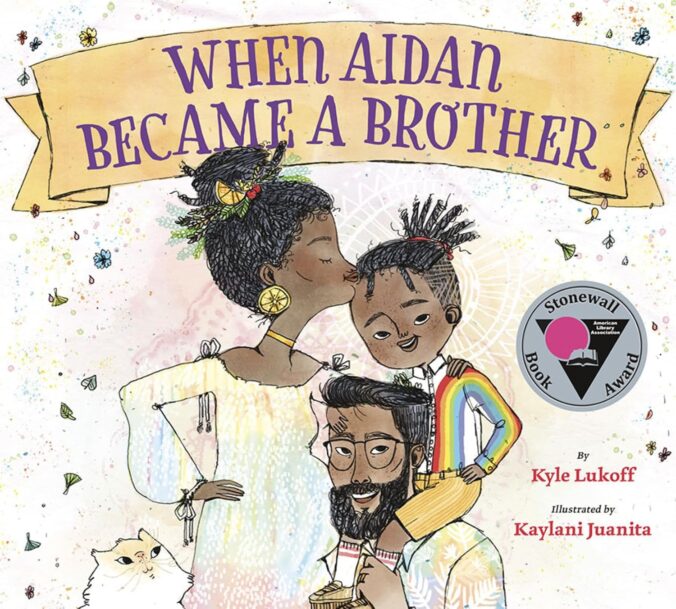
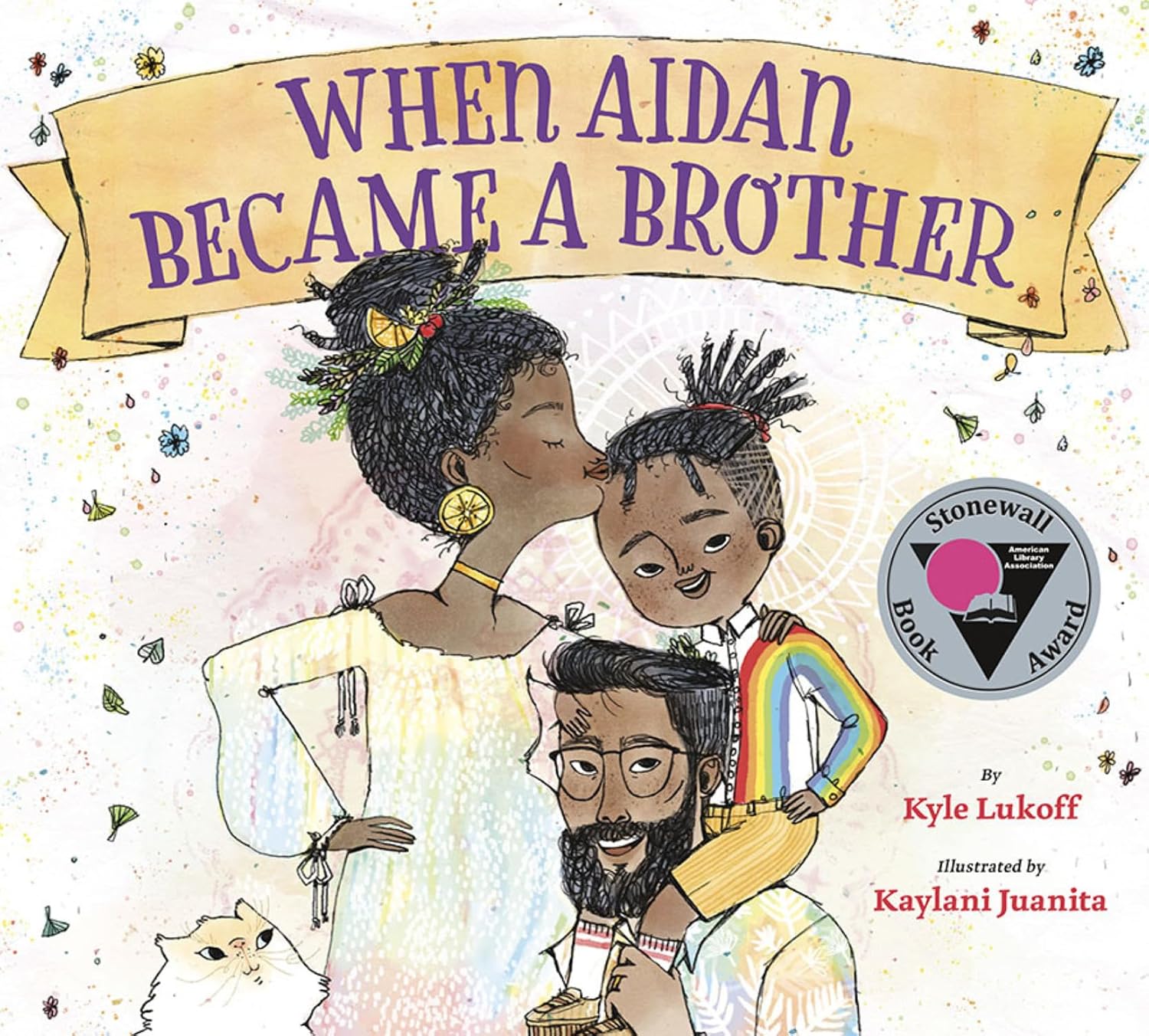
The most obvious book bans that would result from these bills are books with transgender characters. Books that would be targeted include Award-winning picture books like When Aidan Became a Brother, written by Kyle Lukoff and illustrated by Kaylani Juanita, which is about a transgender boy who is about to become a big brother. Award-winning nonfiction that tells the true stories of real children, like American Teenager: How Trans Kids Are Surviving Hate and Finding Joy in a Turbulent Era by Nico Lang, would also be banned.
Interpretations of this bill could extend these bans to less obvious targets. The picture book Itty-Bitty Kitty-Corn, written by Shannon Hale and illustrated by Leuyen Pham, is a story about friendship and being true to yourself. This book has already faced book challenges in Texas because the kitty character wishes to be a unicorn.
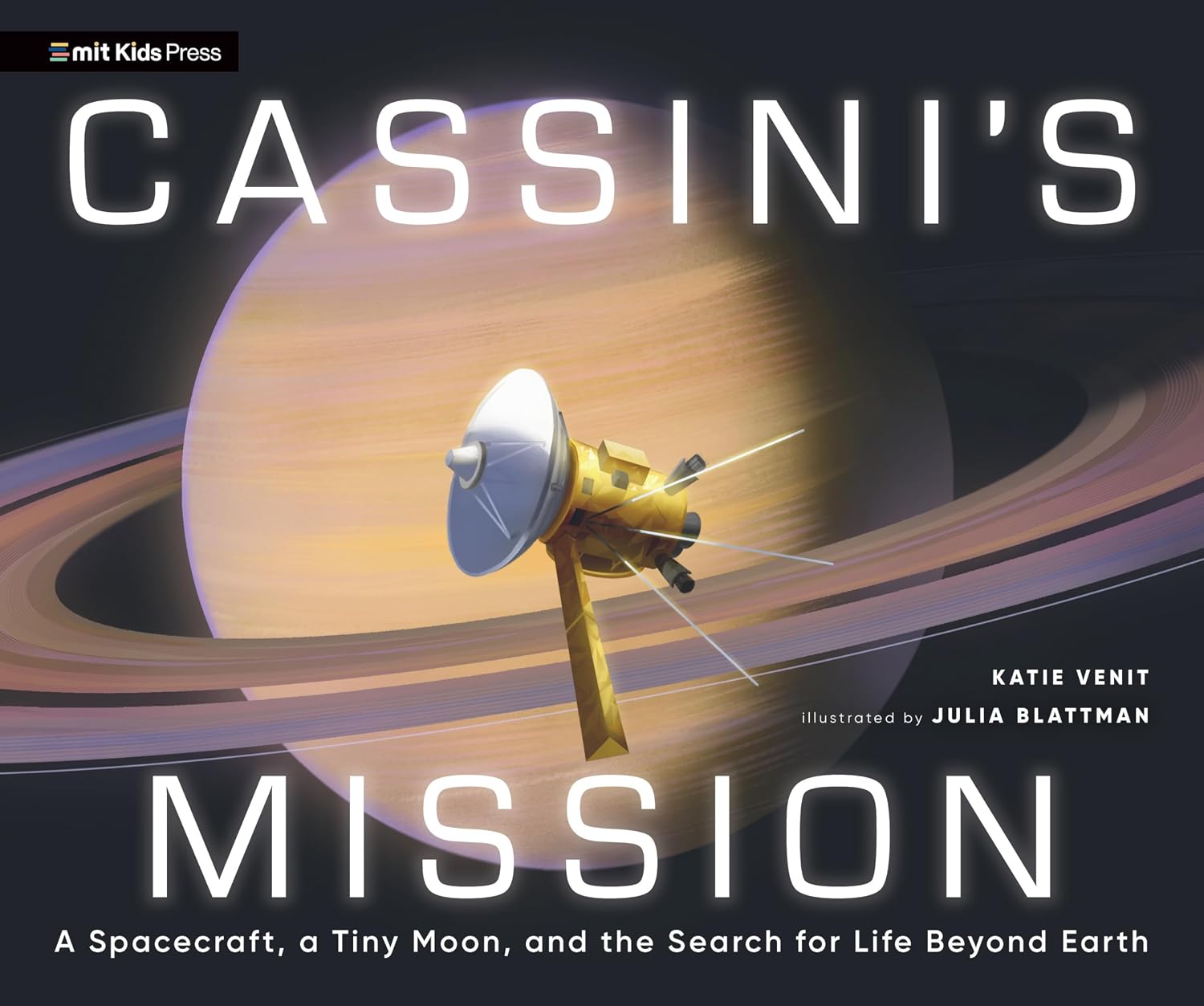
Pronoun usage could also come under fire. Let’s consider the nonfiction book Cassini’s Mission: A Spacecraft, a Tiny Moon, and the Search for Life Beyond Earth, written by Katie Venit and illustrated by Julia Blattman. Why would a fact-based book about a space mission be banned by these bills? Because, as explained in an author’s note at the end of the book, she/her pronouns are used for Cassini because that’s the pronoun the scientists often used for the spacecraft.
Under H.R. 7661 and S. 4925, books like these could be banned from all schools. If a school keeps any of these books and countless others that would be targeted by this law, funding would then be pulled. Instead of threatening schools with book banning laws, public education would be much better served if we made sure that every school has a certified media specialist. These are the teachers whose literal job it is to decide what books are in school libraries.
When we tell kids that books with characters like them don’t belong in our schools, we are also telling them that they don’t belong in our schools. If we really want to protect children, we protect all children. That starts with some of our most vulnerable ones who are part of the LGBTQ+ community. We must not let H.R. 7661 and S. 4925 become a law in our country. Contact your representative today and tell them you do not support these bills. Find Congress members here or use 5calls to tell them to oppose these bills.