Books for kids, teens, & those who are young at heart

Tag: author life (Page 2 of 2)

Learning A New Lesson With Each Novel

For every novel I’ve written, I’ve learned a different important lesson about a major aspect of writing. Not all of these novels are published (yet!), but as I work on finishing up this round of revisions on ELIXIR SAVED and reflect on what I’ve needed to work on most in this manuscript, I find myself pondering all the other areas of writing that I’ve improved upon during this long journey of being a writer.
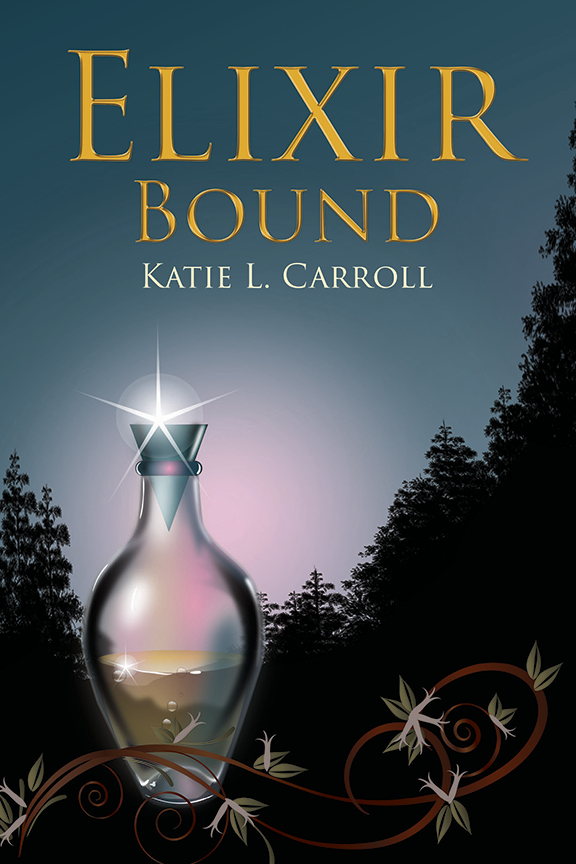
For my very first manuscript, ELIXIR BOUND, it was all about point of view (for a good overview of what POV is see “Different Types of Point of View” on The Beginning Writer). My early drafts of that story were a hot mess of different POVs sneaking in to disrupt Katora’s voice. Even though the story is in third-person POV, I learned over time that it had to be a closed, or limited, POV. Katora was the one who had to tell that story, but a lot of other characters wanted to have their say unnecessarily. It took me more feedback and revisions than I like to admit to get the POV narrowed down properly.
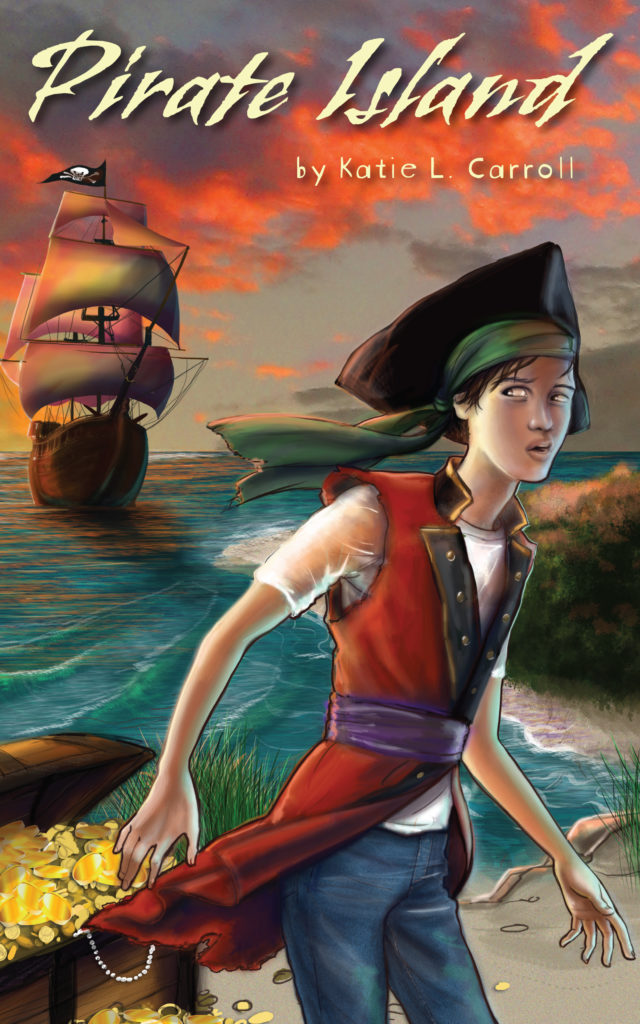
Then came PIRATE ISLAND, which started as an exercise in voice (for an idea of what voice is see “How to Create Voice in Writing” by Mary Kole). I wanted to write something very different from YA fantasy, so I delved into middle grade and went contemporary. Middle grade voice is very hard to do well, and I still don’t think I nailed it in PIRATE ISLAND. Billy, the main character, was originally 11 and I ended up aging him up to 13 in later drafts, largely because that slightly older voice worked better for my abilities as a writer.

The next manuscript I finished (I’m skipping over that still unfinished WIP whose only lesson was teaching me when to shelf a manuscript) hasn’t been published yet, but I’ve talked about it here on the blog a little. That was is my YA thriller BLACK BUTTERFLY, which is super dark and gritty. There are flashbacks and it’s all in first-person present tense and was very intense and fun to write. The lesson here was all about novel structure. I played around a lot with the scenes and where they end up in the final version of this story. I wrote a lot of the story out of order, too. The first time I had ever done that and it was a very freeing experience that I continue to use in my drafting process.

That brings us to the novel I’m currently working on revising ELIXIR SAVED. As a companion novel, it’s been an interesting process to keep all the continuity issues in order. Surprisingly, the lesson here has been in world building (see “20 Things to Consider When Building Fantasy Worlds” by Sara Raasch for more about world building). Some of the world building was done in the first Elixir book, but we see a lot more of the world in SAVED, so there more work to be done for this manuscript. It has three different POV characters that go off into three different parts of the world, much of which wasn’t explored in the first Elixir novel, so I had a lot more world building to add.

One of my goals with the Elixir novels has been to create a super feminist world in the sense that there is no patriarchy in this world. So one of my biggest challenges was to check myself and my internal biases to see if those patriarchal views were sneaking in (and even for someone who considers themselves a feminist, I found a lot of those things rearing their ugly heads, and I’m sure I’ve missed some as well). This was a huge consideration in my world building.

I’m sure there are more lessons to come along this journey. And these are only the biggies that have come from each novel. There have been many, many other smaller lessons along the way. And that’s not even taking into consideration the publishing lessons I’ve learned or the ones I’ve learned from writing picture books. What have you learned from your own writing?
4 Simple Ways to Help an Author

The holiday season is in full swing, and it’s a time for gift giving and charity. With the giving spirit in mind, perhaps you’re wondering how you can help out your favorite authors. Well, I have four simple suggestions on how to do just that this holiday season or anytime of the year!

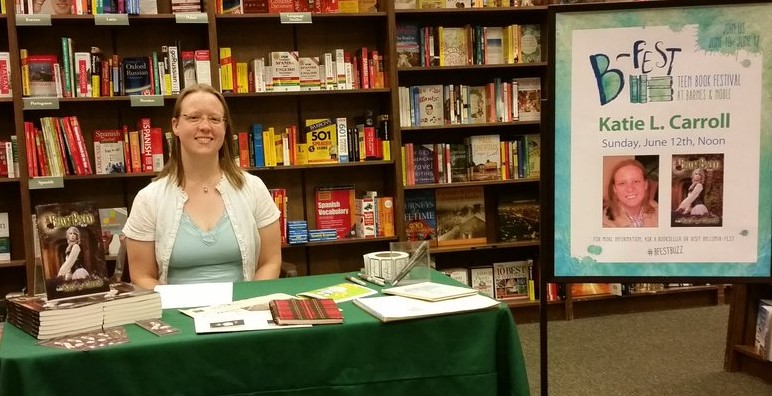
Katie Carroll B-FestBuy the Book

Okay, this one may seem like a no-brainer, but the absolute best way to help out an author is to buy their book. So maybe it’s not your favorite genre or aimed at your age category (or maybe you don’t read books…please tell me you read books!), buy it anyway. Notice this suggestion doesn’t say “read the book.” You can buy it without reading it (of course us authors want people to read our books, but we totally get it that a book is not for everyone…we’ll love you just for buying it, even if your never break it open). Give it to someone as a gift. Put it in your living room and when people come over, you can point to it and say, “Look! My friend wrote this book.” Ebooks are generally the least inexpensive option, so buy a digital copy and let it gather virtual dust. The more an author’s book is bought, the more likely they will make more books, and, ya know, the more likely they’ll be able to buy food and gas and stuff.

Pick Up a Free Copy

I’m not talking about going to Joe Schmo’s book pirating website and downloading a free, illegal copy of the book (and probably a virus or two on your computer). That doesn’t help us at all! Authors, especially those who have a series or several stand-alone books, will sometimes run specials where the first in a series or a book from their backlist is free. But we run these free promos on legit websites, like Amazon, Barnes & Noble, and other reputable book sellers. How does this help an author? So we don’t get money from this type of transaction, but we do get exposure. Enough free downloads means our book moves up on lists and maybe earns us a spot in one of those website’s newsletters. Also, if people like the free book, they may decide to pay for the other books we’ve written that aren’t being offered for free.

Write a Review

So you’ve bought your author friend’s book or you (legally) downloaded it for free. Now what? Remember how we said we really want you to read it (but understand if you don’t), that’s because we also love it if you take the time to write a review. It doesn’t have to be anything long (just long enough to hit a site’s minimum character count) or super interesting really. Something like, “I really enjoyed this fantasy adventure. Fans of Lord of the Rings would really like it too.” And it doesn’t have to be a 5-star rating. Authors (well, many of us!) want honest reviews. Don’t get personal about the author (even if you’re that author’s mom and want to tell them you love them); keep it about the book, its setting, its plot, its characters, and how all of it made you feel. The most important websites for reviews are Amazon and Goodreads. Amazon because if you get enough reviews to satisfy one of their algorithms, you will often get free marketing from them in the form of being a featured book or perhaps placed in their newsletters. Goodreads is where a lot of readers hang out and find their next book to read. If you do have a blog or somewhere on the Internet where you share your opinions of things, go ahead and put the review there too.

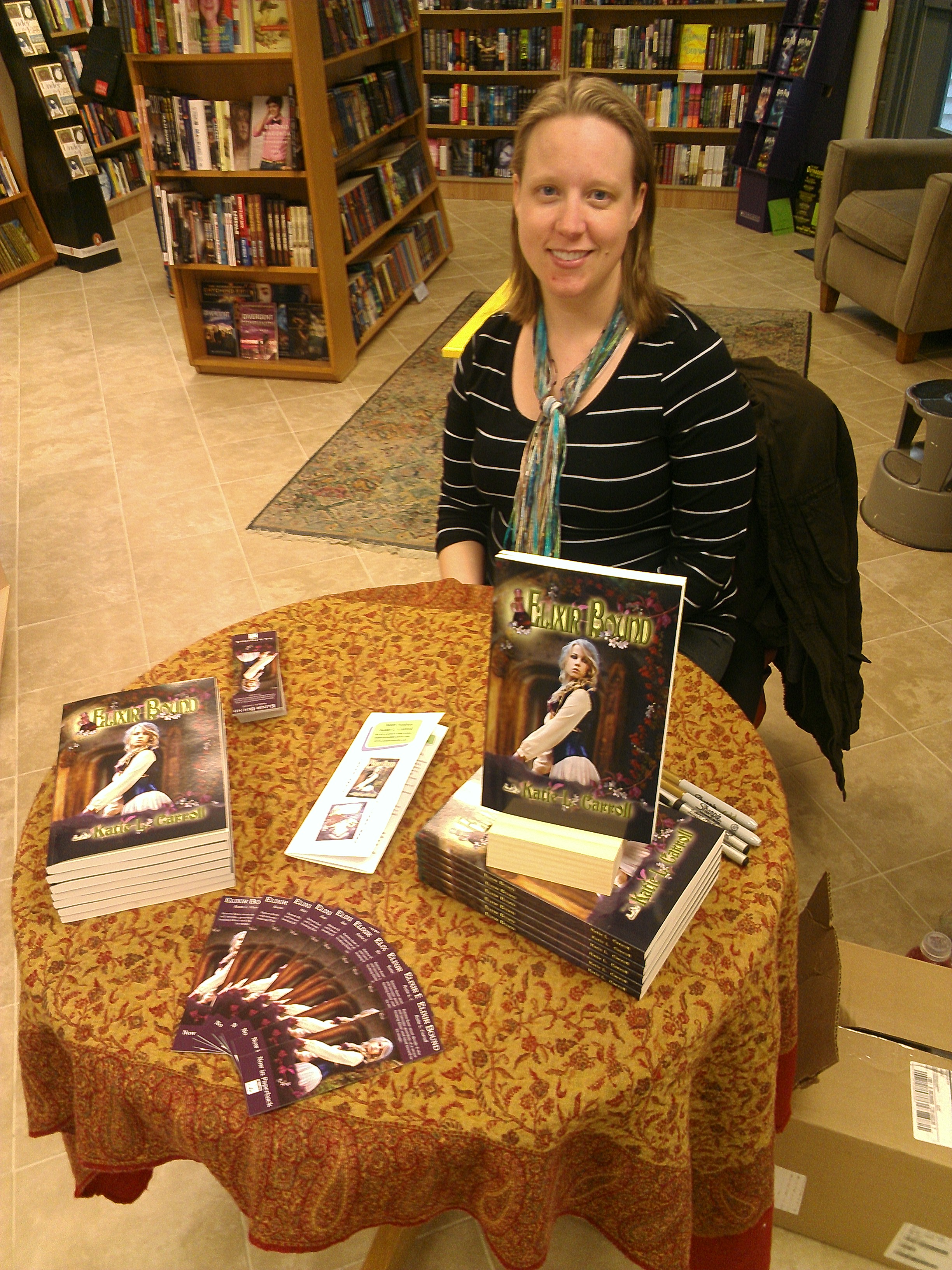
My display of books and bookmarks...lovely bookmark fan the creative work of my brother!Give it a Shout Out

There are over 1 million new books published each year in the U.S. alone…that’s a lot of competition! In today’s publishing world, marketing–meaning getting the word out about your book–largely falls into the hands of authors, even those who are published with a big house. We are a creative, wonderful bunch, but marketers by trade we are not. That’s not to say there aren’t authors out there doing a fabulous job of marketing their books, but many of us don’t have the skill set or time to give the book the real push it needs to sell lots of copies. And no matter how much marketing time and money is put into a book, word of mouth is still one of the most important (if not the most important) ways a book is sold. Mention your author friend’s book to others. Ask your author friend for bookmarks or something you can share with your friends, families, co-workers, that guy in the grocery store who bags your groceries. Go to your library and request they purchase a copy. Same with your local bookstore. Ask if they have it in stock. If not, ask them to order it. We authors even have a name for the people who help us spread the word about our books: street team. Be a part of your favorite author’s street team, even if they don’t officially have one!

Being an author is awesome, but it’s not a great way to make a living. One report out of London found that only 1 in 10 authors make a living through their writing, and a crazy 17% made no money at all in one full year! The reality for many of us is that we have full-time jobs not related to writing; we are stay-at-home parents who are the primary caregivers to our kids; we write full-time but most of our income does not come from our novels. Any help we can get spreading the word about our books, we’ll take! And I can tell you that if you’re the one doing that, we will love you for all eternity.

February Writing Life Update

February has historically been my least favorite month. It’s a low part of the year for me for some reason that I’ve never been able to adequately pinpoint. I think the weather is part of it. Here in southern New England, the days are short and cold and spring feels a long way off. (Although we did have a nice stretch of warmish weather last week.)

This year I think I’m going to be too busy for the late-winter blahs. In addition to reading a lot, I’m deep in querying mode for one project; looking forward to carving out some writing time for a new project that has yet to move out of the “rumination stage,” as I like to call it; and excited (and nervous!) to have a bunch of school visits booked up for the second half of the month. (Not to mention hanging out with the boys!)

The nerves are because I’m feeling a little rusty as I haven’t done any youth writing workshops since last June, and because some of the upcoming workshops are for students that are a little younger than I’ve worked with before, and because it’s a lot of visits in a short amount of time. But I love working with the students, so I know once I practice a few more times and get going with the first one, I’ll be fine.

It’s the change of mentality I think that’s tripping me up. I spent a good deal of the second half of 2015 in writing and then revision mode (very internal acts), so it’s required a brain shift to move into the more external acts of querying and workshop teaching. Both are important parts of my creative life, but as I get older, I feel like the transition from one to the other has gotten harder.

One of these school visits I’ll remember to have someone take a few pictures of me teaching a writing workshop so I can share it here. What’s in store for all of you this month and the rest of winter?

Newer posts »

© 2026 Katie L. Carroll

Theme by Anders NorenUp ↑