Books for kids, teens, & those who are young at heart

Category: Books (Page 53 of 82)

Females in YA: Part 8 Reading List

With all these posts about Females in YA, I think it’s about time I offered up some reading recommendations for books that I think have female characters who are worthy of reading. Naturally, this list is limited to what I’ve read, which means it’s subject to my personal reading tastes, and is probably skewed to certain genres (like fantasy). Hopefully you all will offer up your own recommendations in the comments section. 🙂 I aimed to choose characters with varying types of personalities and above all those who are dynamic and complex.

(Note to readers: I’ll try to avoid any big spoilers, but it’s hard to talk about these characters without risking a little bit of spoileryness.)

Let’s start with some classic literature. Granted these aren’t technically YA (since the age designation didn’t exist back then), but I think they have the right kind of YA sensibility to be included in the list.

  • Fanny Price from Mansfield Park by Jane Austen–though pretty much any of Jane Austen’s novels will offer up some worthy female leads and usually a few females who aren’t exactly role-model material, I wanted to highlight a lead that wasn’t among the most well-known (i.e. a character other than Elizabeth Bennet from Pride and Prejudice). Fanny is a great example of a female who doesn’t fall into the whole “strong female character” trope. She is extremely shy, often fearful, and has a weak constitution, yet she shows an inner strength of character in her morals, she is intelligent, and as she grows, she gains confidence and self-esteem.
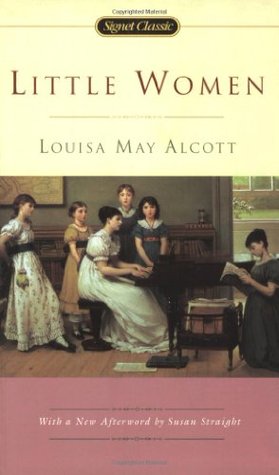
  • Little womenThe March sisters from Little Women by Louisa May Alcott–this is one of my favorite books of all time (of course, as I’m so partial to stories about sisters). Meg, Jo, Beth, and Amy are so different from each other despite being sisters. Meg, the oldest, is beautiful and a bit vain but also loving and dotes on her younger sisters. Tomboy Jo, the principal lead and second oldest, is a passionate, willful, and outspoken. The next sister Beth is a lot like Fanny Price in that she is shy and has a weak constitution, and it is her unselfish and giving personality that is so compelling and ultimately tragic. Yougest sister, Amy, is something of a brat as a child but grows into a talented artist who appreciates the beauty around her and more often than not gets what she wants. What I love about the March sisters is that even when readers identify most with one particular character, it’s easy to see parts of themselves in each of the girls.
  • Scout from To Kill a Mockingbird by Harper Lee–Scout’s young age would peg her more as a middle grade character, but the subject matter of the book and what she is dealing with is mature in nature, so I think it’s fair to include her in this YA list. A tomboy like Jo March, Scout is also highly intelligent, confident, introspective, and moral. Despite facing the evils of the outside world for the first time and losing much of her childlike innocence, Scout maintains an optimist outlook on life at the end.

Honorable Mentions: Jane Eyre from Jane Eyre by Charlotte Bronte, Anne Shirley from Anne of Green Gables by L.M. Montgomery, Laura Ingalls from Little House on the Prairie by Laura Ingalls Wilder

YA speculative fiction is getting its own category here, in part because it’s one of my favorite genres to read, but also because it’s full of great females characters. Though many females in speculative fiction fall into the stereotypical “strong” female role, I think each of my examples offers something more.

  • Katniss Everdeen from The Hunger Games by Suzanne Collins–do I even really need to mention this one? Probably not, but for those of you who may not have read The Hunger Games books (and even if you’ve seen the movies, I still recommend actually reading the books), Katniss is female character to be reckoned with. She is physically strong, mentally tough, a skilled hunter, independent, and a survivor. Yet she is often clueless when it comes to reading emotions and has a narrow world view for a good part of the series, not realizing her own role in the revolution until long after it was evident to many others.
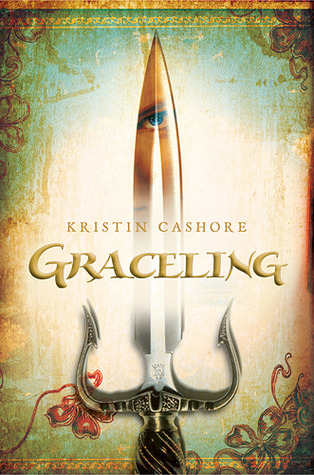
  • GracelingKatsa from Graceling by Kristin Cashore–though possessing many of the same characteristics as Katniss (“What’s with all the ‘K’ names?” I ask with irony because the name of the main character of my own novel starts with a “K”), Katsa is one of my favorite female characters of all time so I had to give her a shout out here. She is intense, independent, a natural-born killer (her special talent, called a Grace, is killing), skilled in combat, brave, and a leader. And yet another female character who is somewhat clueless about not only her own emotions but of others’ as well. As you get deeper into the story, you find there is more to Katsa’s Grace than she thinks and it ends up softening up her personality a bit. I found her views on sex refreshing as well.
  • Beka Cooper from Terrier by Tamora Pierce–pretty much any female character written by Tamora Pierce is worthy of this list. I chose Beka because she is a more recent creation among Tamora Pierce’s long list of characters and is one my favorites. Born into poverty and adopted into a better life, Beka has just joined up with the Dogs (the nickname for law enforcement members). She is skilled in fighting and brave, but interestingly she is also very shy and has a hard time talking to strangers and even reporting back to her superiors. Despite her shyness, she is very confident in her abilities, bordering on arrogant. Beka also has a strong sense of right and wrong and fights very hard for justice.

Honorable mentions: Alina from Shadow and Bone by Leigh Bardugo, Elisa from The Girl of Fire and Thorns by Rae Carson, Quintana from Quintana of Charyn by Melinna Marchetta, Tris from Divergent by Veronica Roth

Let’s now take a look at contemporary YA.

  • Hazel Grace from The Fault in Our Stars by John Green–this is another one of those “duh” choices that I’m not even sure needs a mention. Frank about her cancer and prognosis, Hazel approaches life and the inevitability of dying young with a realistic attitude and a dose of humor. She doesn’t sugarcoat anything, but she still maintains a wonderful sense of innocence, particularly as you watch her fall in love. With a fervent love of reading, Hazel is also highly intelligent, attending college classes at the age of sixteen.
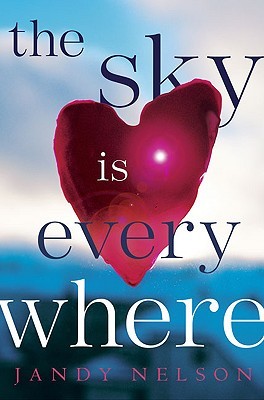
  • skyLennie Walker from The Sky is Everywhere by Jandy Nelson–I love, love, love this book and Lennie. Mourning the sudden death of her sister, Lennie is a hot mess for a good part of the book. A talented musician and poet, Lennie comes from a quirky family and has some adorable quirks of her own. Even with the emotional turmoil she is feeling, she maintains a much-needed level of humor. It’s her realness and her flaws (she makes some truly ill-advised decisions in the story) that make her so wonderful. Ultimately she is able to see that she has flaws and has made mistakes and tries to make amends for that. Seriously, I can’t recommend this book enough.
  • Lia from Wintergirls by Laurie Halse Anderson–suffering from anorexia and having recently lost her best friend to the disease, Lia is a heart-wrenching character. She tries so hard to overcome her crippling body image issues, but keeps sliding down the self-destructive slope that is anorexia. You root for her to succeed and cry for her when she doesn’t. She is a frustrating and beautifully flawed character, so desperate for love yet also almost incapable of accepting it.

Honorable mentions: Melinda Sordino from Speak by Laurie Halse Anderson, Anna from Anna and the French Kiss by Stephanie Perkins, Hannah Baker from Thirteen Reason Why by Jay Asher, Caitlin from Hold Still by Nina LaCour

And finally with all the discussion in the kidlit world lately about diverity, I thought I would include a section devoted entirely to diverse female characters in YA.

  • Ash from Ash by Malinda Lo–in this Cinderella retelling, Ash lives half in a fairy tale world of the fairies and half in the human world. Very much a dreamer and with little ties to the human world, she is challenged to stay there by another great female character in Kaisa, the King’s Huntress. The most rewarding part of Ash is her transformation throughout the story, which is largely due to her relationship with Kaisa, who is not only a skilled huntress but brave, beautiful, strong, and confident.
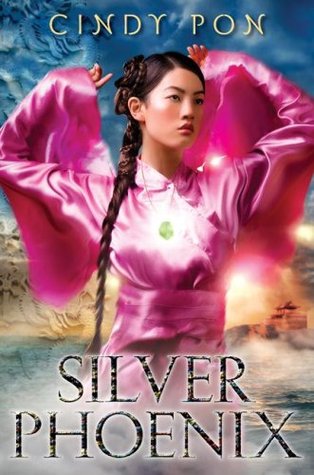
  • SilverAi Ling from Silver Phoenix by Cindy Pon–never one to be defined by the men who have rejected her, Ai Ling is another wonderfully independent female character in a fantasy novel. On a quest and faced with challenge after challenge, Ai Ling’s bravery, ingenuity, and powerful inner self rises to the occasion again and again. It was also so refreshing to read about how much she enjoys food because there are some girls who, ya know, actually like eating.
  • Dellie from The Trouble With Half a Moon by Danette Vigilante–though this story is a little more on the middle grade line than most of the other examples, I think it’s worth being on this list because of Dellie. Despite having to face down the dangers in her neighborhood and her own personal grief, Dellie’s big heart shines through. She is courageous, curious, kind, and not afraid to defy her mother’s protective ways take a chance to help a young boy in need.

Honorable mentions: June from Legend by Marie Lu, Cinder from Cinder by Marissa Meyer, Saba Khan from The Art of Secrets by James Klise

So that’s my shortlist of females in YA, though I know there are many more worthy of reading. Now it’s your turn to share who’s on your list…

Creating Conflict with Kimberly G. Giarratano Author of Grunge Gods and Graveyards

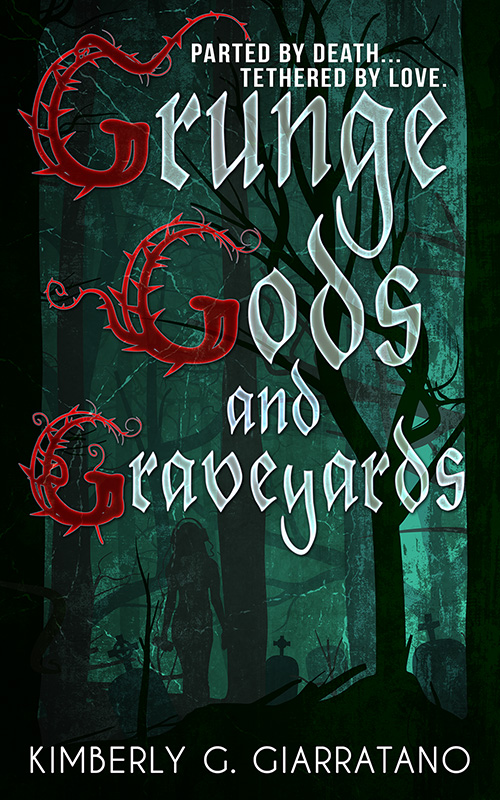
I’m pleased to welcome fellow new mom and author Kimberly G. Giarrantano, who is celebrating the release of her YA mystery Grunge Gods and Graveyards. Kimberly is offering up some thoughts on creating conflict in stories and a giveaway. Welcome, Kimberly and congrats on your new book and baby!

GrungeGods800Everybody Hurts

by Kimberly G. Giarrantano

Being that my debut novel, Grunge Gods and Graveyards, is set in 1996, I couldn’t help but give this guest post a 90s song title. “Everybody Hurts” isn’t just the name of an awesome REM song, not to mention memorable video, but the secret to incorporating excellent conflict into one’s writing — make everybody hurt. More specifically, make your protagonist hurt.

Conflict is one of the most important, if not the most important, building blocks of novel writing. And yet, so many new writers, myself included, forget about it. So, what is conflict? Conflict is the struggle between two opposing forces. It’s what moves the story forward. There are characters who drive plot, but conflict drives those characters to do things they wouldn’t otherwise do. Desperate times and all that.

So, how do I create conflict?

I take my main character and dump crap all over her. In every scene. That’s my formula.

It’s not enough that Lainey feels like she is directly responsible for getting Danny killed. She then goes back to school to find the entire senior class thinks the same thing and they hate her for it. The mean girls dump their spaghetti lunch on her. The jocks label her a murderer. She failed Spanish and won’t graduate. Her dad ignores her. The love of her life is dead. It’s always something. I’m the puppet master and she’s my puppet and I do something to her in every scene. Because each piece of crap dumped on her pushes Lainey to do something else. And because each awful thing brings her to a breaking point. She must say to herself: am I going to continue to let life screw with me or am I going to fix it somehow?

It can never be just one thing. Lainey failed Spanish AND is in danger of not graduating the hellscape she knows as high school AND she needs to write a major research paper to graduate AND deliver an oral presentation in Spanish AND she sucks at languages AND her Spanish tutor is the boy she loved who died in her arms.

I also like to burden Lainey with setbacks. Just when Lainey is close to figuring things out, someone (a nemesis perhaps) interferes and screws it all up for her. And the reader keeps turning pages to find out how Lainey is going to pull it all off. Now, with every setback there has to be small successes too otherwise it would be a downer of a book. All that suffering can’t be in vain.

I guess my story board might look something like this:

Dump crap

Dump crap

Dump crap

Dump crap

Breaking Point

Still crappy, but handles it

Success

Set Back

Disaster

We Shall Overcome

We Overcame

End

Now humor me and leave the name of your favorite REM song in the comments section. I’ll go first. My fave REM song is “Leave.”

Your turn.

Grunge Gods and Graveyards blurb:

Parted by death. Tethered by love.

Lainey Bloom’s high school senior year is a complete disaster. The popular clique, led by mean girl Wynter Woods, bullies her constantly. The principal threatens not to let her graduate with the class of 1997 unless she completes a major research project. And everyone blames her for the death of Wynter’s boyfriend, Danny Obregon.

Danny, a gorgeous musician, stole Lainey’s heart when he stole a kiss at a concert. But a week later, he was run down on a dangerous stretch of road. When he dies in her arms, she fears she’ll never know if he really would have broken up with Wynter to be with her.

Then his ghost shows up, begging her to solve his murder. Horrified by the dismal fate that awaits him if he never crosses over, Lainey seeks the dark truth amidst small town secrets, family strife, and divided loyalties. But every step she takes toward discovering what really happened the night Danny died pulls her further away from the beautiful boy she can never touch again.

Amazon: http://www.amazon.com/gp/product/B00KPBSGA0/&tag=redadeppubl-20

Barnes & Noble:  http://www.barnesandnoble.com/w/grunge-gods-and-graveyards-kimberly-g-giarratano/1119636379?ean=2940149530946

Kobo: http://store.kobobooks.com/en-US/ebook/grunge-gods-and-graveyards

Google Play: https://play.google.com/store/books/details/Kimberly_G_Giarratano_Grunge_Gods_and_Graveyards?id=HG2yAwAAQBAJ 

Goodreads: https://www.goodreads.com/book/show/20887429-grunge-gods-and-graveyards

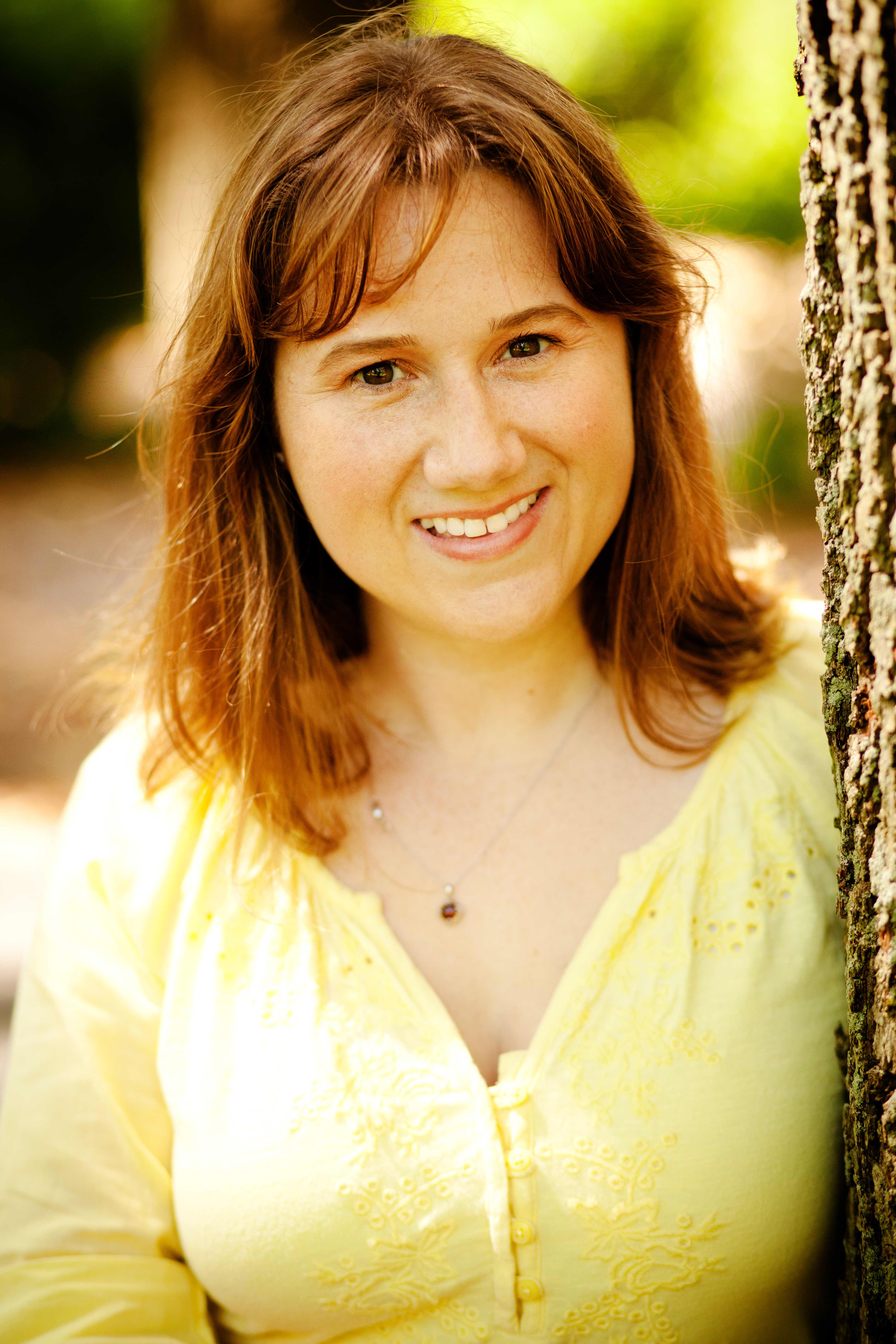
Kim - UpperAbout the Author:

Kimberly G. Giarratano, a forever Jersey girl, now lives in the woods of northeastern Pennsylvania with her husband and small children. A former teacher and YA librarian, Kimberly adores Etsy, Jon Stewart, The Afghan Whigs, ’90s nostalgia, and (of course) everything YA. She also speaks Spanish, but is woefully out of practice.

Kimberly always dreamed of being a published author. Her other dream is to live in Key West, Florida where she can write in a small studio, just like Hemingway.

You can visit her blog at kimberlyggiarratano.com or tweet her @KGGiarratano.

a Rafflecopter giveaway

Writing Non-human Characters with Meradeth Houston Author of Surrender the Sky

Once again returning to share her wisdom on writing is Meradeth Houston! Meradeth is the author of the fantastic paranormal Sary Society Series, the latest of which is Surrender the Sky (see my 5-star Goodreads review here). Make sure to check out all the other stops on her Xpresso Book Tours blog tour and enter the giveaway. Welcome, Meradeth!

SurrendertheSkyTourBanner1

Writing characters that aren’t human

by Meradeth Houston

Thanks so much for having me back here! It’s always a treat to visit some of my favorite blogs again. I thought I’d talk a little about writing characters that aren’t human today. This is one of those topics that I think about a lot, but don’t generally get the chance to chat about. For those of you who have thoughts on the topic, please chime in too!!

The main characters that I write about in my novels are definitely not human—they’re Sary, which is a breed of supernatural I made up. They’re kind of similar to guardian angels, but I think all of my characters would be the first to tell you that they’re definitely not the angelic sort. They’re the souls of those who die before taking their first breath and are allowed to come back to the earth to help those who are contemplating taking their own life. Basically they’re immortal and have the ability to shift their form to look pretty otherworldly: wings included.

One of the most important things that I think about while writing these characters is to keep in mind their true age. Most of them are several centuries old, which means they’ve seen a lot. Not just historical tidbits (which I find fun to research and layer in), but personal things. They’ve watched everyone around them grow older and die—something that they can’t do. These kinds of things leave their mark, and I try to be aware and respectful of that in my characters. Even if they look to be in their teens or twenties, they’re not going to think like a human, and they’re not going to react like them all the time. This is challenging, but also can be a lot of fun to write.

While the Sary have been “on the ground” throughout their lives, allowing them to adapt as society and culture inevitably change around them, it isn’t necessarily easy. One of the other things I try to think about while writing is those things that the Sary might find comfortable from the past—things that they have a hard time giving up. This might be preferring candles and lamps even with electric lights, or just living in the older part of a city because it seems more like home. Technological changes can seem fast for even me, but for the Sary it’s been tricky to keep up. I like to think about the lag that can occur, and depending on the character, how comfortable they’re going to be with different parts of modern life.

Writing a supernatural being that can fly is also one of those things that I also find really a lot of fun. I know that may sound strange, but I’ve always wished I could fly (I think this may stem from growing up in California and hating traffic—who wouldn’t want to avoid that??), so writing from the Sary’s perspective is a whole lot of fun in this regard. I pester my pilot brother for aerial photos, and pay a lot of attention to the way the sky looks while in an airplane, hoping to do the concept of flight justice. Hopefully that comes across, because it certainly is fun!

There’s a lot more that goes into writing a character that’s not human, but I’ll stick with this for today! What else do you think goes into making a believable non-human character?

Surrender The Sky 300dpiSurrender the Sky blurb:

Gabby lives by two unbreakable rules: don’t expose her kind, the Sary, and don’t fall in love—too bad some rules are made to be broken.

When Gabby’s most difficult charge accidentally shoots her in front of a class full of students, the event exposes her carefully hidden identity. She shifts from looking like a normal teen to her secret Sary form, revealing her wings and the existence of her kind—immortals who try to keep people from committing suicide. Her incident attracts the attention of the next leader of the Sary, Jassen, who offers her an impossible bargain: she can keep her wings if she makes amends with those who know the truth. Things get more complicated when a rebel Sary, intent on exposing them to the world, starts interfering with Gabby’s work. And there’s no denying her attraction to Jassen, who is torn between his duties and his heart. With threats at every turn and her immortality on the line, Gabby has to find a way to save the Sary or surrender the sky forever.

Goodreads: https://www.goodreads.com/book/show/20943650-surrender-the-sky?ac=1

Purchase:

Amazon: http://www.amazon.com/Surrender-Sary-Society-Meradeth-Houston-ebook/dp/B00K2IMTNG/ref=sr_1_1?s=books&ie=UTF8&qid=1404146503&sr=1-1&keywords=Surrender+the+Sky+by+Meradeth+Houston

B&N: http://www.barnesandnoble.com/w/surrender-the-sky-meradeth-houston/1118931601?ean=2940045770484

MeradethAbout the Author:

Meradeth’s never been a big fan of talking about herself, but if you really want to know, here are some random tidbits about her:

>She’s a Northern California girl. This generally means she talks too fast and use “like” a lot.
>When she’s not writing, she’s sequencing dead people’s DNA. For fun!
>She’s been writing since she was 11 years old. It’s her hobby, her passion, and she’s so happy to get to share her work!
>If she could have a super-power, it would totally be flying. Which is a little strange, because she’s terrified of heights.

Author links:

http://www.meradethhouston.com/

https://www.facebook.com/MeradethHouston

https://twitter.com/MeradethHouston

https://www.goodreads.com/author/show/5321667.Meradeth_Houston

a Rafflecopter giveaway

Summertime and the Reading’s Easy

I’m dubbing this summer my summer of rereading. There’s something comforting and easy with reading the familiar. And with a newborn and an almost 3-year-old, I’m in much need of comfort and ease. I’m starting with the Harry Potter series because it’s been a few years since I’ve read any of those books and it feels like the right time to delve into the series again. No matter how many times I read these books, I always love them.

I flew through The Sorcerer’s Stone in no time and have started Chamber of Secrets. We’ll see how far I get before the summer ends. So far I’m finding lots of inspiration for my own writing. Being so familiar (I’ve read the first four books probably close to ten times) with the plots allows me to linger over the superb writing in a way I don’t tend to do when I’m reading a book for the first time.

Pretty much every summer I read Jandy Nelson’s The Sky is Everywhere, so that’s definitely on my list as well. This is a book about 16-year-old Lennie, whose 19-year-old sister has just unexpectedly passed away. I feel like this a book that speaks to my soul. I find it to be uplifting and healing but also very emotional. It hits a little too close to home, given that my sister passed away at 16 (when I was 19).

I’m also currently reading two other stories I haven’t read before, and I’m sure there will be other new books on my list. E. Lockhart’s We Were Liars has been on my list and I’ve heard great things about it, so I’ll probably try to get to that one. Sinner by Maggie Stiefvater (one of my favorite authors) also recently came out and will likely get read.

What are you all planning on reading this summer?

Middle Grade vs. Young Adult with Anna Staniszewski Author of The Prank List

Anna Staniszewski is one of my favorite guest bloggers because she always brings such insightful topics and discussions. Today, as she celebrates the upcoming release of her newest book The Prank List (The Dirt Diary #2), Anna is talking the difference between middle grade and young adult fiction. Welcome, Anna!

prank list cover 2What Separates Middle Grade from Young Adult Fiction?

by Anna Staniszewski

I get this question a lot, so I thought I’d tackle it here. Let’s start with a couple of definitions.

“Middle grade” is generally for ages 7-12, though it can skew a bit younger or older depending on the project (short chapter books vs. longer novels). Middle grade usually features protagonists in elementary or middle school, and if it deals with topics such as sex or violence, those tend to happen off-screen.The ending, while not necessarily happy, should be hopeful.

“Young adult” generally features teen protagonists (14-19) and is often a coming-of-age story for readers 12 and up. (The actual readership of YA varies quite a bit. You might have fifth-graders reading it, but you also have adults who read nothing else.) Issues such as sex and violence can be shown on-screen and can even be of a graphic nature, though you often won’t get as much detail as you would in adult books. Endings, while often hopeful, can sometimes be bleak.

Now that we have that out of the way, we can see that content isn’t necessarily the dividing line between MG and YA. The bigger distinction is how the content is handled, whether it’s off-screen and implied or on-screen and shown.

The protagonist’s age is often a factor, as well, although there is some wiggle room here, too. My main character in The Dirt Diary is 14, for example, but she’s in 8th grade. That puts her right smack in between the two genres, which is why I often refer to the book as “tween,” although it’s generally considered MG.

For me, the biggest difference between MG and YA is the character’s emotional journey. I’ve heard more than one person say that in MG, the character goes through lots of life-changing experiences but can still remain a child at the end. In YA, the character goes through lots of life-changing experiences that force him/her to become an adult. This might be too simplistic of an answer, but I think it goes a long way to explain the difference between the two.

In MG, you have characters exploring their worlds and experiencing what things outside of their own lives are like. In YA, you have characters exploring their own identities and figuring out where they belong in the world. The role of family is different in both; in MG, the family tends to be part of the story, both a support system and a source of conflict, whereas in YA, the family is often secondary or more a source of conflict than anything else. Again, this goes back to the idea of staying a child vs. becoming an adult. At some point, you need to find independence from your family (as many YA protagonists do) and strike out on your own.

Over the past decade or two, the MG and YA markets have changed quite a bit. It used to be that a book with a 14-year-old girl would automatically be labelled as YA, but now that you have more adults reading YA, the genre has started to focus on older and more mature protagonists. That means that MG has expanded too, including a wider range of books, sometimes those that feature younger teens.

Because the market is always shifting, I try not to drive myself too crazy with definitions, but I do try to keep in mind the general attitude in MG vs. YA. That, I think, hasn’t changed too much. In MG, we often still see characters branching out into the world, whereas in YA we see characters who want to find their places in it.

The Prank List blurb:

Rachel Lee never thought she’d fight for the right to clean toilets. But when a rival cleaning business starts stealing her mom’s clients, Rachel will do whatever it takes to save herself the horror of moving to Connecticut—which would mean giving up her almost, sort of boyfriend, her fantastic new pastry classes, and her best friend Marisol.

Operation Save Mom’s Cleaning Business is a go!

But when the series of pranks Rachel and her BFF cook up to take down the competition totally backfires, Rachel worries that her recipe for success is a dud. You know what they say—if you can’t stand the heat, stay out of the kitchen…

Anna StaniszewskiAbout the Author:

Born in Poland and raised in the United States, Anna Staniszewski grew up loving stories in both Polish and English. Currently, she lives outside Boston with her husband and their crazy dog. When she’s not writing, Anna spends her time reading, daydreaming, and challenging unicorns to games of hopscotch. She is the author of the My Very UnFairy Tale Life series and the Dirt Diary series. Her newest book, The Prank List, releases on July 1st from Sourcebooks. You can visit Anna at www.annastan.com.

« Older posts Newer posts »

© 2026 Katie L. Carroll

Theme by Anders NorenUp ↑